Library

 Profile
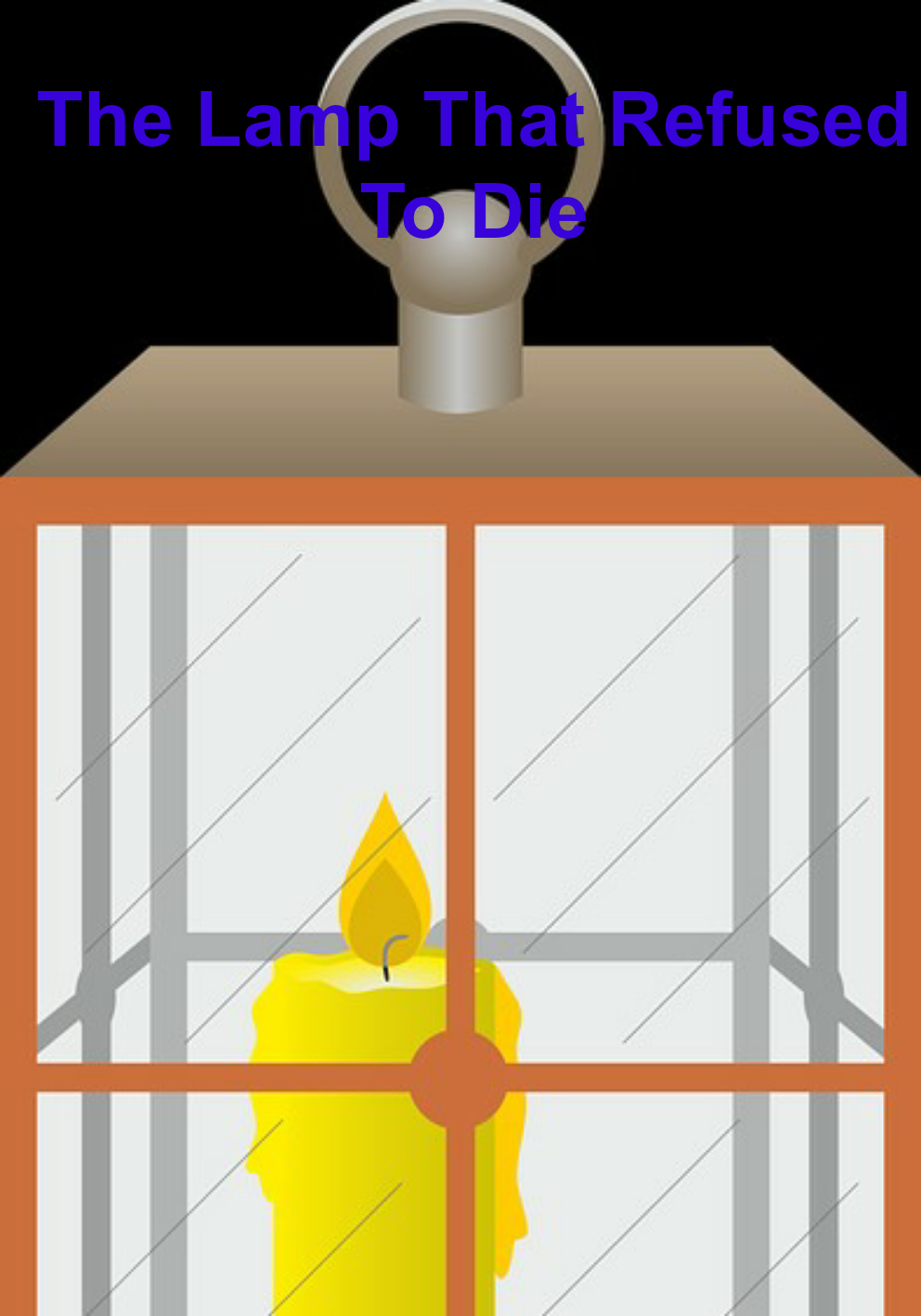
The Lamp That Refused To Die
The Lamp That Refused To Die

In a quiet village, cradled between emerald fields and guarded by an ancient banyan tree that had stood witness to generations, there lived a girl named Meera. The village was simple, almost forgotten by time. Its mud houses bore cracks like old wrinkles, and its narrow paths carried the footprints of farmers and dreamers alike. Yet in that humble place, a quiet revolution was growing — in the heart of one determined girl.
Meera was not born into privilege. Her father tilled the land under the burning sun, and her mother stitched torn garments by the faint light of dusk. Their earnings were meagre, just enough to survive. But what the family lacked in wealth, they possessed in dignity and hope. From her childhood, Meera had an unusual fondness for books. She would gather discarded pages, smooth their crumpled corners, and read them as if they were treasures more precious than gold.
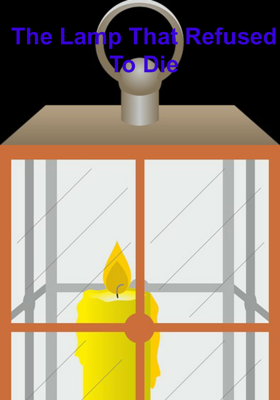
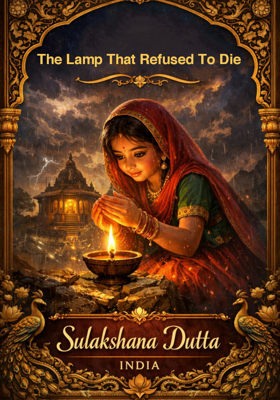
Each evening, as the sky blushed crimson and the birds returned to their nests, Meera would sit beside an old brass oil lamp. The lamp had belonged to her grandmother. Its surface had grown dull with time, yet it carried a strange resilience. When lit, its small flame trembled in the wind but never surrendered. Meera often felt a deep connection with that fragile light. It was as though the lamp mirrored her own existence — small, overlooked, yet fiercely alive.
The villagers believed that destiny was fixed. “We are born to live and die here,” they would say. “Dreams are luxuries for city people.” Their words floated in the air like stubborn clouds. But Meera’s mind was different. She had read about great souls who rose above circumstances. She admired the courage of John Milton, who composed immortal poetry despite losing his sight. She was inspired by William Shakespeare, whose humble beginnings did not prevent him from shaping the literary world forever. These stories planted seeds of courage within her heart.
During the day, Meera worked tirelessly in the fields. Her hands grew rough, her feet weary, yet her spirit remained unbroken. Sometimes the scorching sun felt merciless, as though testing her endurance. At times, hunger gnawed at her strength. There were evenings when the oil for the lamp ran out, leaving her in darkness. But instead of surrendering, she would sit under the moonlight and revise her lessons softly to herself.
The lamp became a symbol in her life. Whenever storms arrived, the flame would flicker violently. The wind would attempt to extinguish it, but Meera would shield it with her palms. She often whispered, “If you survive, I survive.” In protecting that small light, she was unknowingly protecting her own hope.
One winter, tragedy struck. Her father fell ill and could no longer work. The burden of responsibility fell upon Meera’s young shoulders. Relatives advised her to abandon her studies and seek permanent labour. “Education will not feed you,” they insisted. For a brief moment, doubt crept into her heart like a silent thief. She looked at her books and wondered whether dreams were indeed a luxury she could not afford.
That night, she lit the lamp again. Its flame appeared weaker than usual, as if sharing her sorrow. But as she gazed at it, she realized something profound — the flame, though small, continued to burn against the cold wind. It did not question its existence. It simply shone.
In that quiet hour, Meera made her decision. She would not abandon her education. She would work harder than ever before. She began tutoring younger children in the village to earn a few extra coins. She woke before dawn to complete household chores and studied late into the night. Sleep became a rare visitor, yet determination remained her constant companion.
Years passed slowly but steadily. The girl who once struggled to buy oil for her lamp began to excel in her examinations. Her teachers noticed her brilliance and dedication. They encouraged her to apply for a scholarship in the city. The thought of leaving her village frightened her, yet it also ignited excitement within her heart.
The day she received the acceptance letter, her hands trembled just like the lamp’s flame once had. She had secured a full scholarship for higher education. The villagers gathered around her house in disbelief. The same voices that once dismissed her dreams now praised her perseverance. Her mother wept silently — not out of sorrow, but out of pride.
Before leaving for the city, Meera stood beneath the ancient banyan tree. She reflected upon her journey — the fields, the hunger, the storms, and the sleepless nights. Every hardship had shaped her like a sculptor shapes stone. She realized that struggles were not barriers; they were chisels carving strength into her character.
In the city, life presented new challenges. The environment was unfamiliar, and competition was fierce. There were moments when she felt small again, just like that flickering flame. But she remembered the lamp. She remembered how it had survived every storm. Whenever discouragement approached, she would close her eyes and imagine that warm golden light guiding her path.
Through perseverance and relentless effort, Meera flourished in her studies. She graduated with distinction and later became a respected educator. Her words began to inspire countless students who, like her, came from modest backgrounds. She taught them not only literature and knowledge but also courage.
Years later, she returned to her village — not as a poor farmer’s daughter, but as a beacon of inspiration. The banyan tree still stood firm, and her small mud house still held memories of her childhood. She entered her old room and found the brass lamp resting quietly in a corner. Carefully, she cleaned its surface and poured fresh oil into it.
When she lit the lamp that evening, the flame rose steady and bright. It no longer trembled as before. Perhaps it had grown stronger with time, just like her. She smiled gently and whispered, “Darkness was never my enemy. It only taught me how to shine.”
The villagers gathered around as she shared her story. She told them that fate is not written in the stars but in the courage of one’s actions. She reminded them that even the smallest light can challenge the deepest darkness.
From that day onward, the lamp was placed in the village school as a symbol of hope. Children would look at it and remember the girl who refused to let her flame die.
And thus, the lamp that once struggled against the wind became a guiding star for generations. It proved that circumstances may bend a person, but they cannot break a determined spirit. True strength lies not in wealth or comfort, but in resilience. For even the faintest light, if guarded with faith and courage, can illuminate the world.
🌟 Message:
Hard work defeats destiny.
Education is the greatest power.
Hope is stronger than hardship.
Even a small beginning can lead to greatness.