Library

 Profile
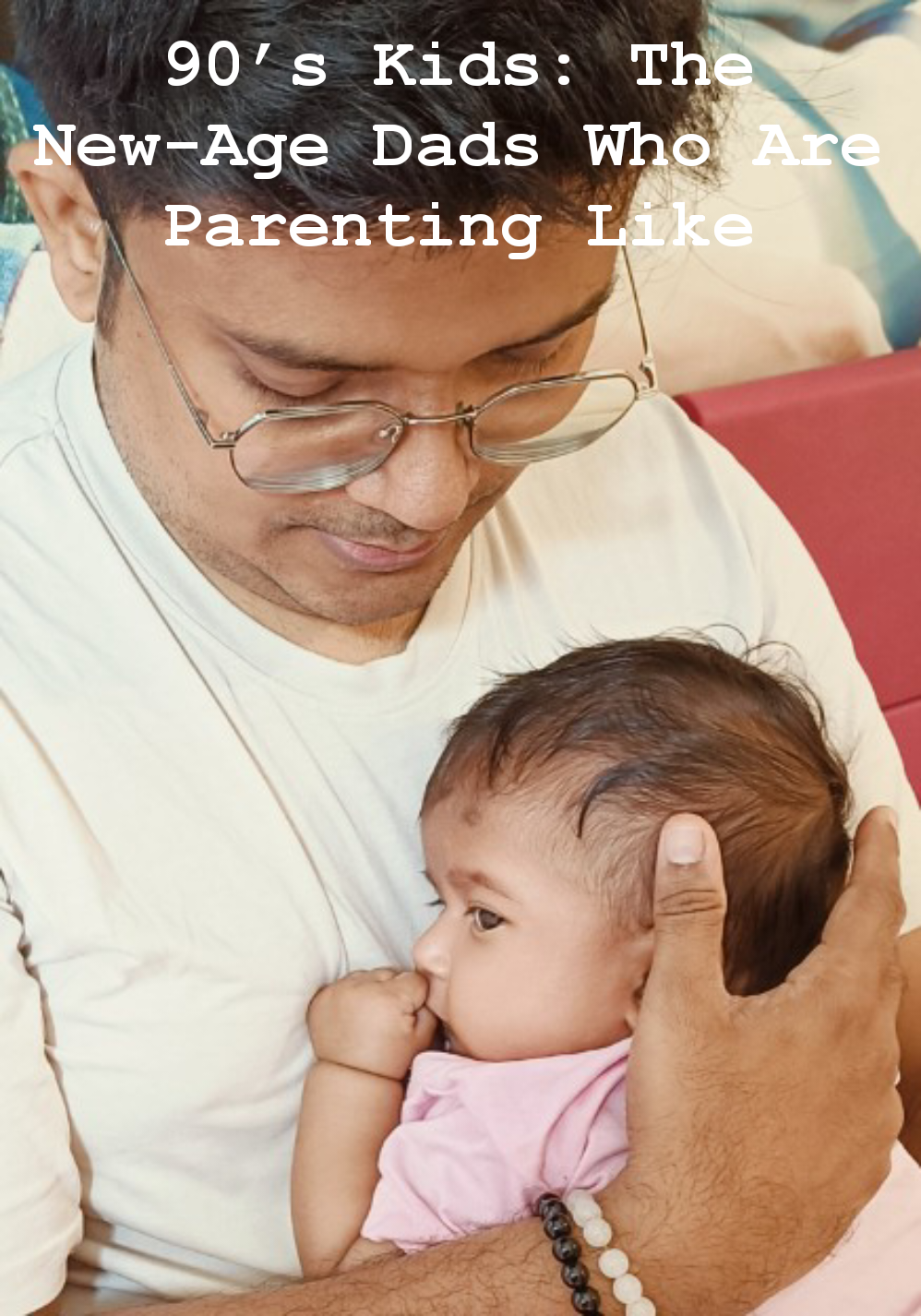
90’s Kids: The New-Age Dads Who Are Parenting Like
90’s Kids: The New-Age Dads Who Are Parenting Like

The kids of the 90’s grew up in an era that straddled the line between tradition and modernity. We saw the rise of technology, the fall of the Berlin Wall, and the shift from strict gender roles to a more fluid understanding of parenthood. Now, the 90’s generation is embracing one of life’s greatest responsibilities: parenthood. And they’re doing it differently, especially the dads.
Gone are the days when dads were only seen as the breadwinners, spending little time with their children, leaving the nurturing to the mothers. Today, the 90’s kids who are now fathers are breaking stereotypes and taking a hands-on approach to parenting—something that previous generations may have never imagined.
Many of today’s new fathers, especially those who grew up in the 90’s, don’t just want to be seen as providers. They want to be present, involved, and emotionally connected with their children. From late-night diaper changes to helping with homework, these dads are proving that caregiving isn’t just a mother’s role. It’s a parent’s role.
These dads are feeding their babies, rocking them to sleep, and even learning the art of multitasking, which was once considered a mother's forte. What’s even more heartening is that this shift isn’t seen as something extraordinary; it’s just how parenting is done now.
Several factors have contributed to this shift. For one, women are now more active in the workforce, which has led to a more balanced division of labor at home. This change wasn’t just out of necessity; it reflected evolving social values that men can and should contribute equally to parenting.
Additionally, technology has played a huge role. The rise of parenting apps, online communities, and endless YouTube tutorials have made information accessible, enabling fathers to learn and apply parenting skills just as easily as mothers. Dads now share tips on baby care forums, take part in virtual parenting groups, and even share their baby’s milestones on social media.
Most importantly, the 90’s kids grew up in a transitional time when the idea of gender equality was gaining momentum. We were exposed to conversations about equality, and many of us saw the struggles our mothers faced in handling both work and family. Today’s dads are determined to make sure that the next generation grows up seeing both parents as equal contributors in every aspect of life.
Society often praises fathers for doing basic tasks like changing diapers, but for many dads today, this has become second nature. They don’t expect accolades for being involved; they see it as their responsibility, just like mothers have always done.
Moreover, these dads are now more emotionally available to their children. They are not just disciplinarians or weekend playmates, but active listeners and nurturers. They’re aware of their children’s emotional needs and foster open, communicative relationships.
This new wave of parenting has significant benefits for children. Studies have shown that children with engaged fathers are more likely to develop stronger social skills, better academic performance, and healthier emotional well-being. The presence of a nurturing dad, much like a nurturing mother, helps children feel more secure and balanced.
Dads are no longer just the ‘head of the household’; they are pillars of emotional and physical support in their children's lives.
The 90’s kids, who are now dads, are redefining fatherhood. They are doing what once was thought to be a mother’s job without hesitation, guilt, or the need for praise. In many ways, they are the dads that their own fathers never had the chance to be.
It’s a beautiful transformation—one that is not only strengthening family bonds but also setting a powerful example for the next generation. Parenting is no longer about being a mom or a dad. It’s about being present, being responsible, and most importantly, being there for your child—no matter the role.