Library

 Profile
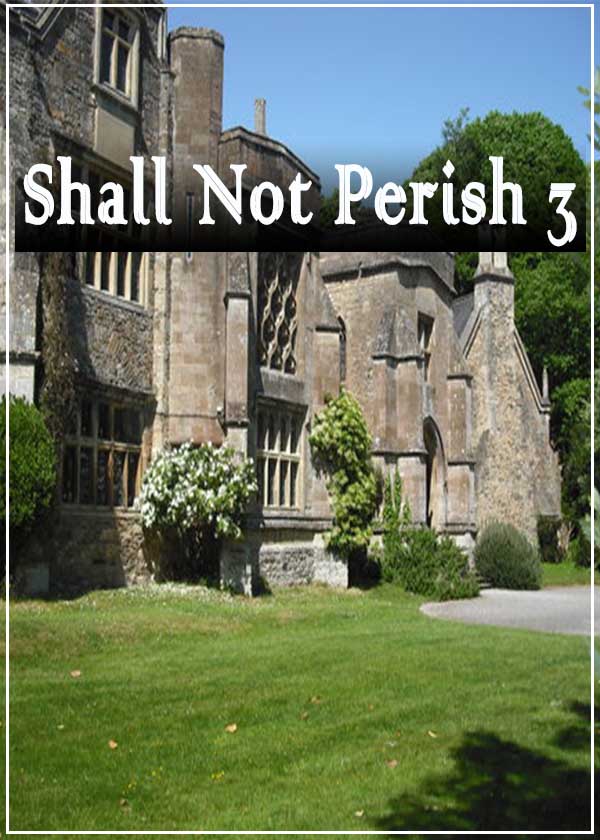
Shall Not Perish 3
Shall Not Perish 3

That is, we had all three been in the drugstore and the ten-cent-store in Jefferson but I was the only one who had been curious enough to find out how one worked, even though even I never dreamed we would ever own one. So it was me that zipped it open, with a pipe and a can of tobacco in it for Father and a hunting cap with a carbide headlight for me and for Mother the satchel itself, and she zipped it shut and then open and then Father tried it, running the slide up and down the little clicking track until Mother made him stop before he wore it out; and she put the satchel, still open, back into the box and I fetched in from the barn the empty quart bottle of cattle-dip and she scalded the bottle and cork and put them and the clean folded towel into the satchel and set the box onto the cupboard shelf, the zipper still open because when we came to need it we would have to open it first and so we would save that much wear on the zipper too.
She took the satchel from the box and the bottle from the satchel and filled the bottle with clean water and corked it and put it back into the satchel with the clean towel and put our shoes and stockings in and zipped the satchel shut, and we walked to the road and stood in the bright hot morning beside the mailbox until the bus came up and stopped.
It was the school bus, the one I rode back and forth to Frenchman's Bend to school in last winter, and that Pete rode in every morning and evening until he graduated, but going in the opposite direction now, in to Jefferson, and only on Saturday, seen for a long time down the long straight stretch of Valley road while other people waiting beside other mailboxes got into it. Then it was our turn. Mother handed the two quarters to Solon Quick, who built it and owned it and drove it, and we got in too and it went on, and soon there was no more room for the ones that stood beside the mailboxes and signaled and then it went fast, twenty miles then ten then five then one, and up the last hill to where the concrete streets began, and we got out and sat on the curb and Mother opened the satchel and took our shoes and the bottle of water and the towel and we washed our feet and put on our shoes and stockings and Mother put the bottle and towel back and shut the bag.
And we walked beside the iron picket fence long enough to front a cotton patch; we turned into the yard which was bigger than farms I had seen and followed the gravel drive wider and smoother than roads in Frenchman's Bend, on to the house that to me anyway looked bigger than the courthouse, and mounted the steps between the stone columns and crossed the portico that would have held our whole house, galleries and all, and knocked at the door. And then it never mattered whether our shoes were shined at all or not: the whites of the monkey nigger's eyes for just a second when he opened the door for us, the white of his coat for just a second at the end of the hall before it was gone too, his feet not making any more noise than a cat's leaving us to find the right door by ourselves, if we could. And we did: the rich man's parlor that any woman in Frenchman's Bend and I reckon in the rest of the county too could have described to the inch but which not even the men who would come to Major de Spain after bank-hours or on Sunday to ask to have a note extended, had ever seen, with a light hanging in the middle of the ceiling the size of our whole washtub full of chopped-up ice and a gold-colored harp that would have blocked our barn door and a mirror that a man on a mule could have seen himself and the mule both in, and a table shaped like a coffin in the middle of the floor with the Confederate flag spread over it and the photograph of Major de Spain's son and the open box with the medal in it and a big blue automatic pistol weighting down the flag, and Major de Spain standing at the end of the table with his hat on until after a while he seemed to hear and recognize the name which Mother spoke; not a real major but just called that because his father had been a real one in the old Confederate war, but a banker powerful in money and politics both, that Father said had made governors and senators too in Mississippi; an old man, too old you would have said to have had a son just twenty-three; too old anyway to have had that look on his face.
TO BE CONTINUED