Library

 Profile
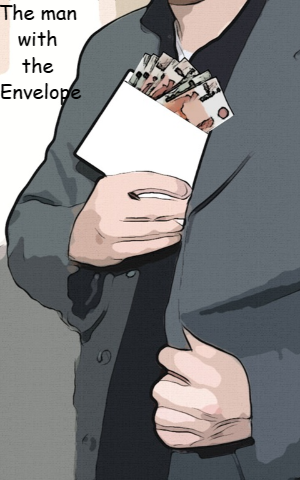
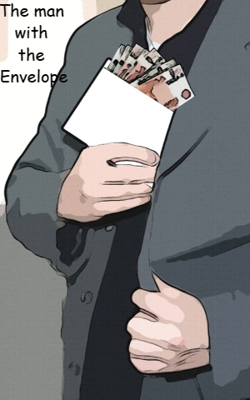
The man with the envelope
The man with the envelope

Every Tuesday, just before sunset, a man in a gray coat would stroll into the old post office at the edge of town. He never spoke much, never stayed long. Just walked in, left an envelope at the counter, and disappeared before the clerk could even offer a smile.
The envelope was always different — sometimes thick, sometimes thin, sometimes crisp white, other times a worn, recycled brown. No return address. No stamps. Just a single name scribbled on the front.
The postmaster, Mr. Halley, didn't ask questions. He knew better. All he did was take the envelope, place it in the outgoing tray, and mark it in the ledger with a symbol: ∆.
The envelopes began to travel. First to the florist’s shop uptown. Then to a print shop across the river. Later, to a quiet law office where no clients ever seemed to enter. Each stop added something new: a sticker, a new label, a stamp in a foreign script. Like a letter that forgot what it once carried.
Months passed, and one day, the envelope returned. This time, it wore a tailored suit — crisp paper, fine ink, and the seal of an investment firm from the city. It looked different. Important. Clean.
Mr. Halley opened the ledger again. This time, he didn’t write a symbol.
He wrote a name.