Library

 Profile
The Road That Was Never Ours
The Road That Was Never Ours

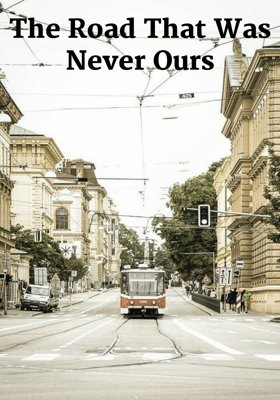
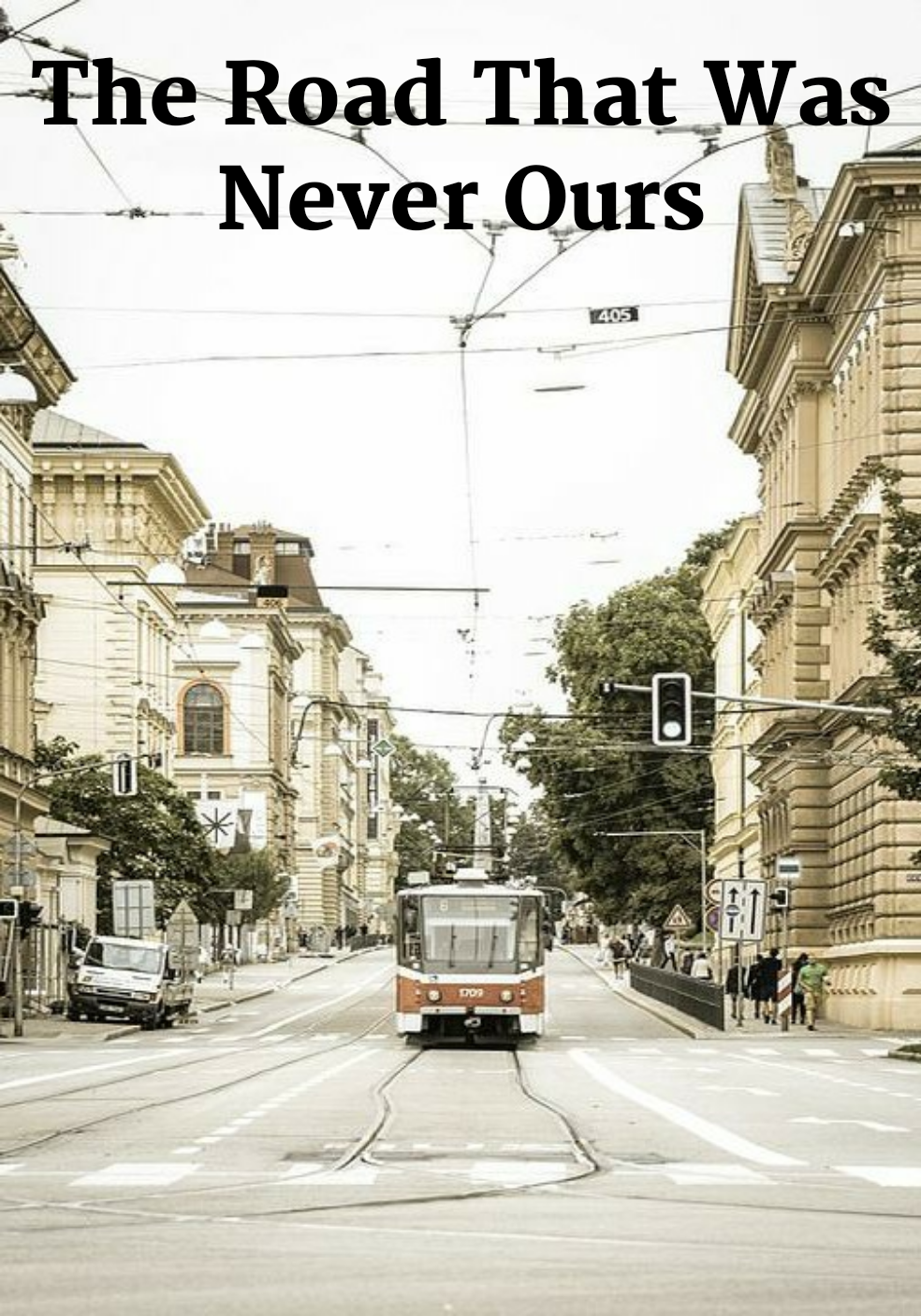
I was travelling one day for some work when I found myself stuck in a long traffic jam. Road construction was going on, so the traffic was understandable. What was not understandable was how long we had to sit there. For hours, ordinary people waited in their cars—students, workers, families, and people rushing to their own important destinations. A few traffic police officers were present, but the situation hardly seemed to improve. Then, suddenly, everything changed. More traffic police arrived and began moving vehicles to the sides. A clear passage was created in the middle of the road. At first, I could not understand why. Then I looked behind us. A convoy of vehicles carrying political leaders was approaching. They were on their way to attend a rally. Within minutes, the road that had been blocked for hours was cleared for them. The convoy passed through without interruption, while hundreds of ordinary people remained stuck in the same traffic they had been waiting in for hours. I watched the vehicles disappear and wondered: Was the road really cleared for an emergency, or simply because some people were considered more important than the rest of us? Traffic rules are supposed to apply equally to everyone. Public roads are meant for the public. Yet, somewhere between power and privilege, the ordinary citizen often becomes the one expected to wait, adjust and make way. That day, I realised that the biggest problem was not the traffic jam. It was the inequality behind it. A democracy may give everyone the same right to use the road, but if power can make some people pass freely while everyone else is forced to wait, then perhaps we should ask ourselves—not who owns the road, but who is truly being served by it?