Library

 Profile
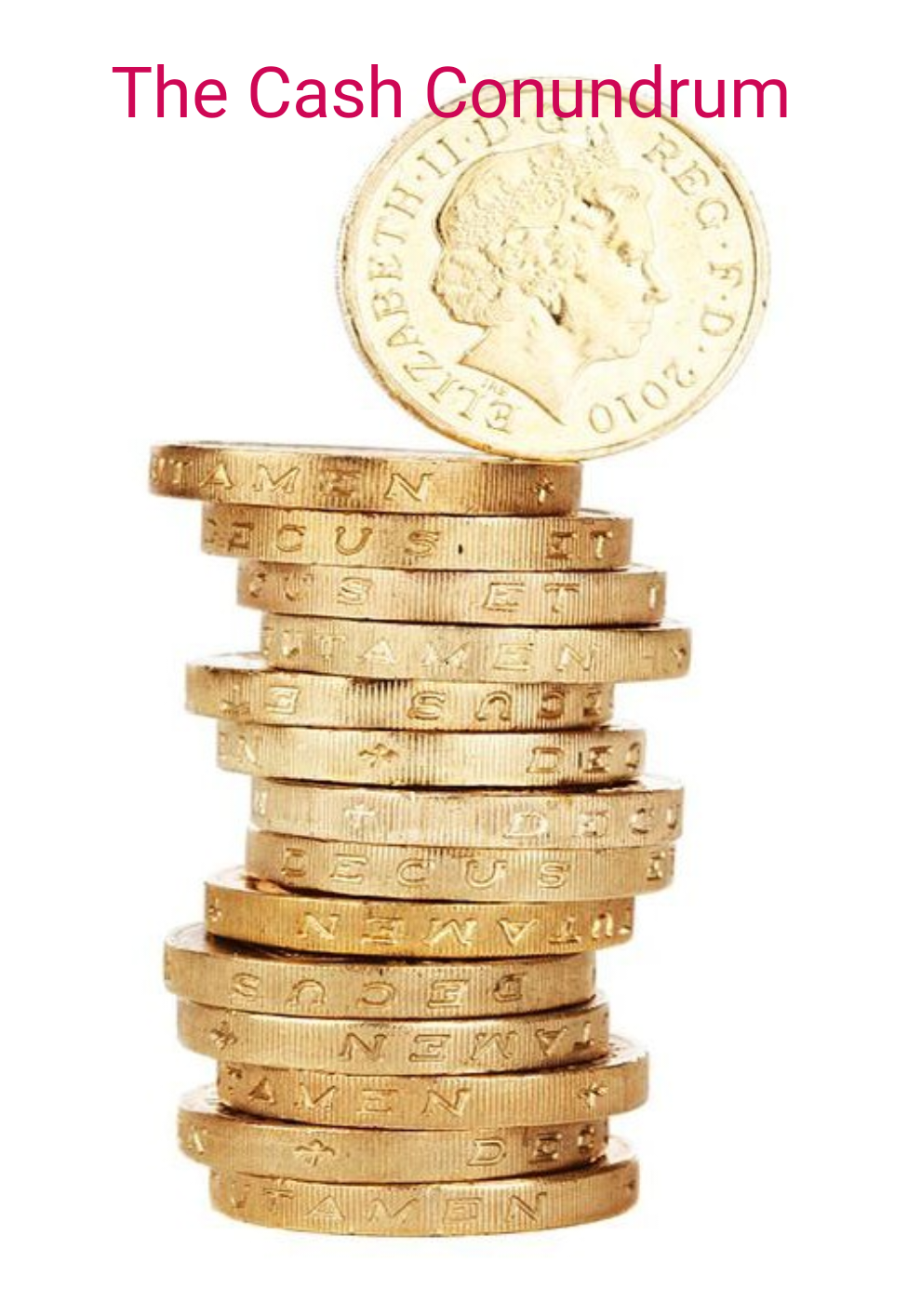
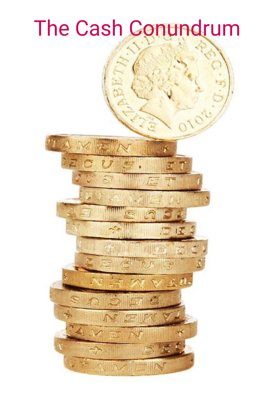
The Cash Conundrum
The Cash Conundrum

In the heart of Digital India, where UPI payments digital transactions reigned supreme, Piku stood out like a sore thumb. While everyone around her was embracing the cashless revolution, Piku clung to her cash like a lifeline. Her friends and family would often tease her, calling her old-fashioned and stubborn. But Piku knew something they didn't – the value of cold, hard cash in a world gone digital.
It was a typical Monday morning when Piku's phone died. She had forgotten to charge it overnight, and her backup charger was at home. She was out running errands, and her usual digital payment methods were rendered useless. Most people would have panicked, but not Piku. She rummaged through her wallet and found a wad of cash, enough to buy her favorite breakfast snack and pay for her bus fare.
As she waited in line to buy her snack, she noticed the vendor struggling with his digital payment system. The machine was down, and he was frantically trying to get it up and running. Piku smiled knowingly and handed over the exact amount in cash. The vendor's face lit up with gratitude, and he thanked her profusely.
This small transaction got Piku thinking about the limitations of digital payments. What if the system crashed? What if the internet connection was poor? What if her account was hacked? Cash, on the other hand, was tangible and reliable. It didn't require any infrastructure or technology to function.
The more Piku thought about it, the more she realized that cash was not just a medium of exchange but also a safeguard against the vulnerabilities of the digital world. She remembered the times when the digital payment systems had been down, and people were left stranded. Cash, she knew, was the ultimate fallback.
As the day went on, Piku encountered more situations where cash proved to be a blessing. She visited a street vendor who didn't accept digital payments, and she was able to negotiate a better price because she was paying in cash. She also met a small business owner who appreciated the fact that she was paying in cash, as it helped him avoid the transaction fees associated with digital payments.
But the most striking incident occurred when Piku's friend, Rachel, got her digital wallet hacked. Rachel had been using a public Wi-Fi network to make a payment, and the hackers had managed to steal her login credentials. Piku's friend was devastated, and her account was frozen until the issue was resolved. Piku, on the other hand, had been using cash for all her transactions, and she was unaffected by the digital chaos.
As the news of Rachel's hacking spread, Piku's friends and family began to see her in a new light. They realized that her insistence on using cash was not just a quirk but a prudent decision. They started to ask her questions about her views on digital payments and cash, and Piku was happy to share her perspective.
"I know it might seem old-fashioned," Piku said, "but cash gives me a sense of control and security. I can see my money, touch it, and feel it. It's tangible. Digital payments, on the other hand, are ephemeral. They're just a blip on a screen. And what if the system fails? What if the hackers get in? Cash is the one thing that can't be hacked or frozen."
As the debate around digital payments and cash heated up, Piku's views sparked a lot of discussion. Some people agreed with her, while others vehemently disagreed. But one thing was certain – Piku's decision to stick with cash had saved her from the digital woes that many others were facing.
The story of Piku's cash-centric approach raises important questions about the role of cash in a digital world. Is cash still relevant in today's economy? Can it coexist with digital payments, or is it a dying breed? And what are the implications of a completely cashless society?
As the world grapples with these questions, Piku's story serves as a reminder that cash still has a place in our lives. It may not be the most convenient or efficient medium of exchange, but it has its own unique advantages. And in a world where technology is constantly evolving, it's essential to have a fallback – a reliable and tangible medium of exchange that can weather any digital storm.
The debate around cash and digital payments is far from over. As we navigate the complexities of a rapidly changing world, it's crucial to consider the role of cash in our lives. Will it continue to be a vital part of our economy, or will it become a relic of the past? Only time will tell, but one thing is certain – Piku's decision to stick with cash has given her a sense of security and control that many others can only hope for.