Library

 Profile
the east facing room
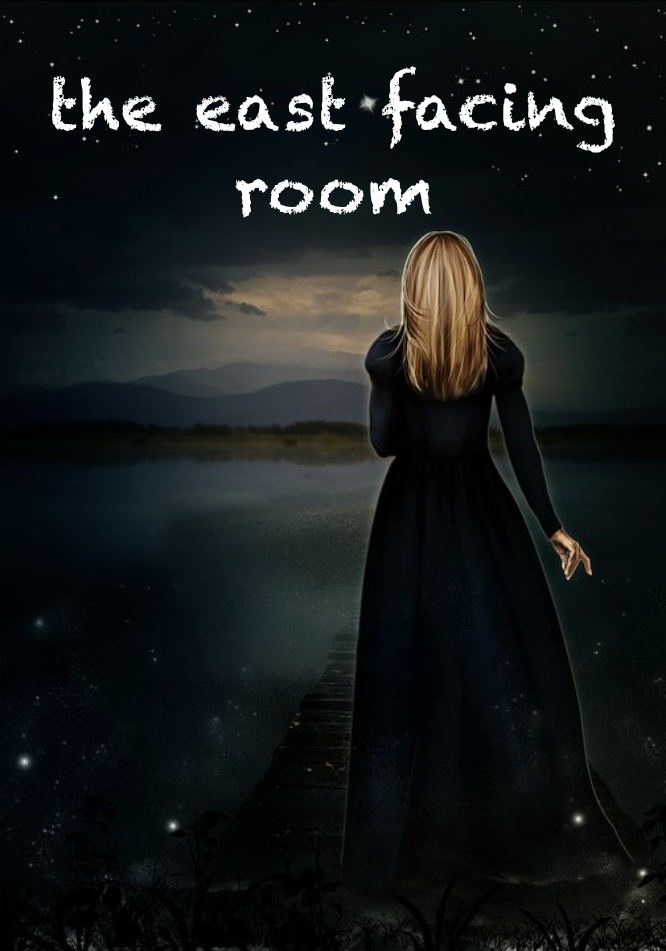
the east facing room

Gudiya had always carried a shadow of fear within her mind, a quiet, persistent dread that people dismissed as mere imagination. “You’re just imagining things,” they would say. But today, she realized that the line between imagination and reality had thinned to a mist, so fragile that even the faintest sound could tip her into terror.
The strangest part of the house was the east-facing room. It was ancient, untouched for decades, with windows perpetually ajar, letting in a stale breeze that carried the scent of dust and decay. Thick layers of dust coated every piece of furniture, giving them a ghostly presence. The walls, once white, were now yellowed and cracked, and the ceiling fan above moved slowly, its flaps stirring clouds of fine dust that glimmered eerily in the slivers of sunlight. The house was empty—just Gudiya and the room.
She had resolved to clean the room today. As soon as she opened the door, a cold, whispering gust of air brushed her ears, carrying with it a faint, almost musical rustle. Each step she took made the old wooden floor creak and groan, as though warning her to turn back.
The room was cluttered. Old boxes were stacked haphazardly, piles of books leaned dangerously, and a broken rocking chair sat ominously in a corner. Then, her eyes fell on a single book on the topmost shelf, glowing oddly in the dim light. She reached for it, her fingers trembling as she flipped the cover.
The page inside bore words written in a hand she knew all too well—her own:
“Gudiya… once again, she finds herself alone in the room.”
Her hand shook violently. She dropped the book, and her gaze darted to the rocking chair. It was moving slowly, as if someone invisible was perched upon it. She whispered to herself, “It’s just my imagination. That’s all.”
But the room seemed alive, a sentient presence. The window rattled slightly, and she heard faint whispers, rhythmical and teasing, as if the room were speaking directly to her. Gudiya’s heart raced. The books, the furniture, the very air seemed to watch her, as if every object in the room had knowledge of her presence, her fears, her thoughts.
She stepped cautiously toward the center of the room, but the floor creaked beneath her feet with a sinister rhythm. Then she caught a glimpse in the mirror—her reflection was not her own. Someone else stood in its place, identical in every way, but with a grin that was both familiar and horrifyingly false.
Shaking, she approached the piles of books. They began to flutter open on their own, pages turning as though guided by invisible fingers. Images emerged—sometimes her face, sometimes her name, sometimes marks she did not recognize. She tried to grab the books, but they lifted into the air, swirling around her like a storm of knowledge and menace.
The sunlight through the east-facing window dimmed gradually, and the corners of the room sank into shadow. Gudiya’s breath quickened. She reached for the door—only to find it fused to the frame, refusing to budge.
The shadows moved, dancing along the walls. The books, the rocking chair, the stacks of boxes—they all seemed to inch closer, surrounding her. She screamed, but the sound was swallowed by the thick air of the room, absorbed into the dust-laden walls.
Step by step, the floor beneath her became treacherous, unsteady, as if the room itself were testing her. Objects circled her, spinning slowly, gently at first, then faster, forming a vortex of reality and fear. Her shadow split from her side, taking on a life of its own. It moved independently, watching her, mimicking her every breath, every blink, but always with a sinister undertone.
“I am still me… right?” Gudiya whispered to herself. “Or is this… something else?”
Time slowed. The room stretched, contracted, pulsing with a heartbeat she could feel in her chest. The books whispered her memories, her regrets, her deepest fears. The rocking chair creaked a rhythm that echoed her panic. Every object seemed aware, sentient, and hungry.
Desperation took hold. She spun, trying to push past the walls, the furniture, the very air that seemed to cling to her, but every escape route led her back to the center. Her reflection now grinned fully, leering at her, taunting her. The shadows merged with the dust, and the air became thick, oppressive, alive with a whispering chorus of voices she did not recognize yet somehow knew.
Gudiya tried to close her eyes, to shut it all out, but when she opened them, she found herself surrounded by her own fears made tangible. The books hovered inches from her face, pages rustling with secrets and threats. The rocking chair moved toward her, slowly, deliberately. The dust swirled into shapes—faces, hands, eyes that blinked and followed her every move.
She realized then, with a chilling clarity, that the room had claimed her. It was no longer merely a place she entered; it had become a part of her, a reflection of her mind, her deepest dread. Every object, every shadow, every whisper had merged with her consciousness.
Gudiya stood motionless, breathless, caught in the interplay of light and shadow. Her identity felt fluid, uncertain. Was she still herself, or had the room absorbed her entirely? The room seemed to pulse around her, alive with her fear, each creak of the floor and flutter of a page a reminder of her inescapable entrapment.
The final moments stretched endlessly. The rocking chair slowly settled, the books stopped midair, and a profound silence filled the east-facing room. Gudiya’s reflection remained, staring back at her with that same false grin. She shivered, understanding that she was no longer merely in the room—she was the room.
Outside, the sun set, leaving the east-facing window aglow with a dying light. Inside, the room was still, but alive in its own way, breathing with the memories, fears, and presence of Gudiya. Whether she ever left or remained trapped forever, no one could tell. Only the room knew.
The east-facing room had become her home, her prison, and her reflection.