Library

 Profile
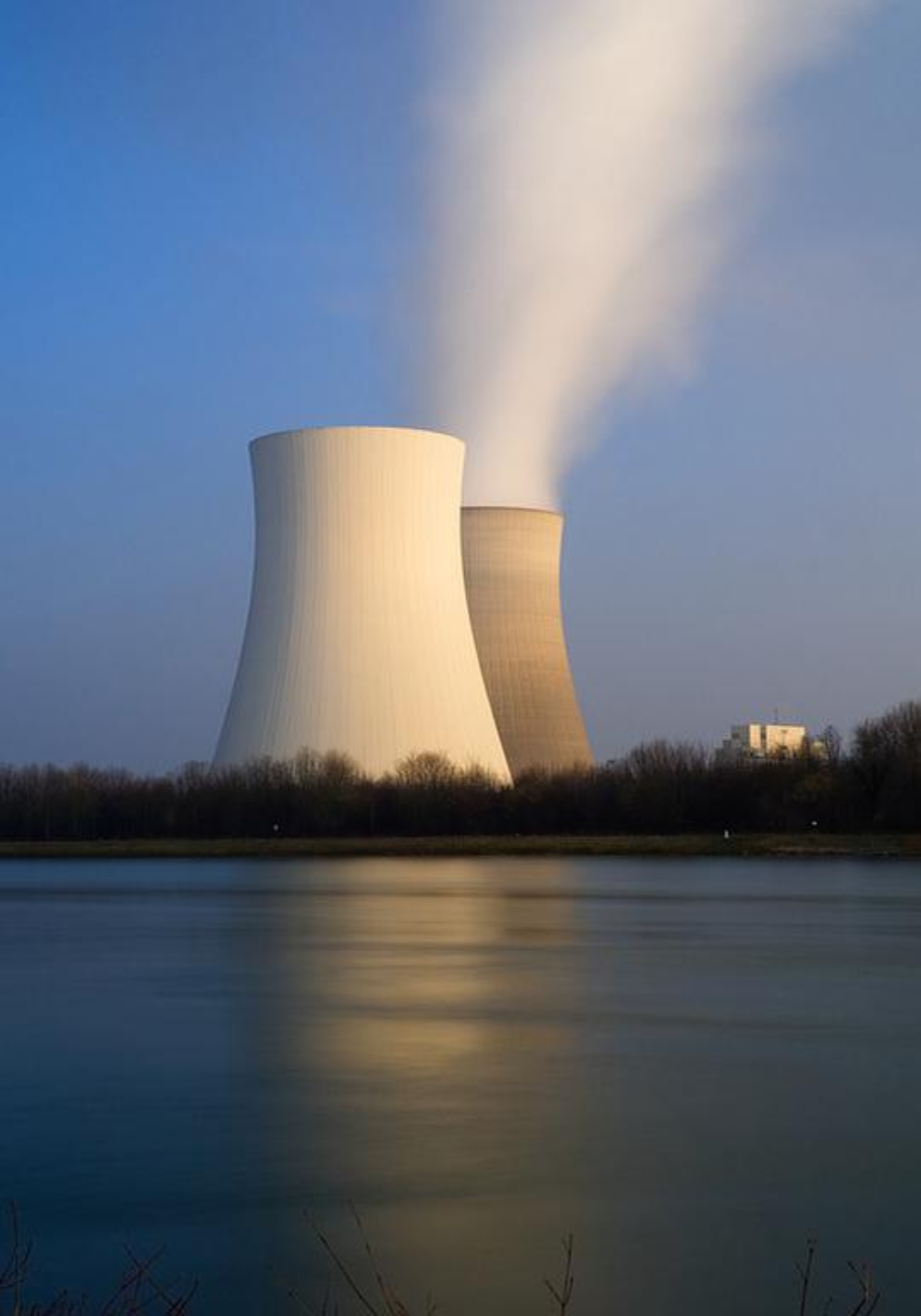
Nuclear and unclear!
Nuclear and unclear!

A report by prof. XYZ (xxxxx) based on speech given by him.
Following speech.
A speech by prof.XYZ (xxxxx)
A letter for the citizens by prof. XYZ(xxxx)
Dated: 27 February 2026
“Good morning, my dear citizens—the very foundation of our new world. A future filled with greater challenges and responsibilities awaits us all. At this critical moment, as humanity faces the grave consequences of misused science, we must stand united with wisdom, courage, and hope.”
“Friends, I want to share with the world my thoughts on what I can offer to my citizens during this short and critical time, as we face the alarming news of a possible attack.”
A famous quote by Albert Einstein gives us a profound warning about the destructive power of nuclear warfare and the consequences of misused science. He once said:
“I know not with what weapons World War III will be fought, but World War IV will be fought with sticks and stones.”
These words remind us that a nuclear war could devastate humanity to such an extent that civilization itself might collapse.
Today, my friends, I address you with deep concern. We have received serious intelligence reports indicating that a nuclear attack may be planned against our nation within the hour. This is a critical and sensitive moment for our country.
Let us remain calm, united, and guided by wisdom. Fear must not overpower us—our strength lies in solidarity, preparedness, and hope.
In this short period of time I would like to convey a very short story to all of us,
It was 6:15 in the evening when the sirens began to scream across the city. A small boy named Kaushal froze. His phone buzzed with an emergency alert: Immediate nuclear threat. Take shelter now.
For a second, his mind went blank.
Then he remembered a documentary he once watched — you may not have time, so act fast.
“Inside. Basement. Now!” his father shouted.
They didn’t waste a single moment. Kaushal helped his younger sister move quickly downstairs. His mother grabbed water bottles, a flashlight, and their emergency kit. No suitcases. No unnecessary things. Just essentials.
They moved to the innermost corner of the basement, away from windows. His father shut off the ventilation and closed all doors tightly. Aarav placed thick blankets and boxes along the small basement window to block outside air.
His heart pounded loudly. He wanted to panic. But looking at his sister’s frightened face, he took a deep breath.
“It’s okay,” he said softly. “We stay inside. We stay calm. We wait.”
Minutes felt like hours. Outside, there was distant rumbling. Inside, there was silence — and courage.
They stayed sheltered, listening to official radio updates. No one rushed outside. No one made reckless decisions.
That night Kaushal learned something powerful:
In disasters, the first battle is against fear.
The second is choosing the right action — quickly.
And sometimes, survival begins with just three steps: Don’t panic. Get inside. Stay protected.
The one who survives this war should remember the Earth- our motherland.
My fellow citizens, as we stand at this turning point in history, let us remember our Earth — ancient, patient, and wounded. Long before our cities rose and our machines roared, this planet sustained life with balance and beauty. Yet history reminds us that civilizations have fallen not only by nature’s fury, but by human choices. When knowledge advances without wisdom, progress can cast a long and dangerous shadow.
Science is a powerful gift — it has healed diseases, connected continents, and lifted millions from hardship. But when misused, the same brilliance can lead to destruction beyond imagination. Today, we must not condemn science itself, but the careless hands that guide it. Let us commit to responsibility over recklessness, peace over power, and humanity over hostility. Together, we will ensure that knowledge becomes a force for protection, not devastation, and that our future generations inherit hope — not harm.
Remember if today war don't happen you have a lot of choices, but one thing that is very crucial to understand is this pain we suffered and what actually we me bring to our beloved Earth.
If nuclear power were ever to end humanity, there would be no “what to do” afterward — because humanity would no longer exist to respond. That thought itself is what makes prevention so important.
The real question is not what we do after, but what we do now. We choose diplomacy over conflict. We choose cooperation over competition. We support leaders and policies that reduce weapons, not expand them. We educate ourselves about peace, responsibility, and global unity. Nuclear power itself is not evil — it can produce energy and medical advances — but weapons built from it demand extreme caution and moral responsibility.
The future of humanity depends less on technology and more on human wisdom. Fear asks, “What if it ends?” Hope asks, “How do we make sure it doesn’t?”
And the answer begins with awareness, dialogue, and choosing peace — again and again.
We must build brotherhood within communities. Villagers and citizens can share resources, knowledge, and responsibilities. Cooperatives, fair trade, and local markets strengthen trust. Conflicts over land and water can be solved through dialogue instead of division. Teaching children respect for nature and compassion for people ensures long-term harmony.
Happiness grows where there is balance:
Balance between development and conservation.
Balance between individual needs and community welfare.
Balance between progress and responsibility.
If we nurture the soil, protect the forests, and treat one another as family, we create not just survival — but a peaceful and meaningful life for generations to come.
My dear friends I feels we are not the only one to have this Earth, Every species on Earth has a right to exist. From the smallest insect to the tallest tree, each life form plays a role in maintaining the balance of our planet. We are not owners of this world — we are part of it.
The forests breathe for us, the oceans regulate our climate, and the soil feeds us. When we harm them through greed or violence, we harm ourselves.
Humanity must rise above terror and selfish ambition. Power without compassion leads to destruction, but responsibility guided by wisdom leads to harmony.
Let us choose protection over exploitation, cooperation over conflict, and stewardship over domination. The Earth does not belong to one generation — it belongs to all species and to the future.
So my dear friends, in these critical times, let us stand together and safeguard ourselves. Let us pray for the safety of mankind and hope that every situation soon returns to normal. May peace and happiness prevail over fear and uncertainty.
Please gather your essential belongings, act promptly, and move to a safe place. Stay alert and protected. I will remain in touch and share further updates as needed.
With concern and solidarity,
Your Professor and President.