Library

 Profile
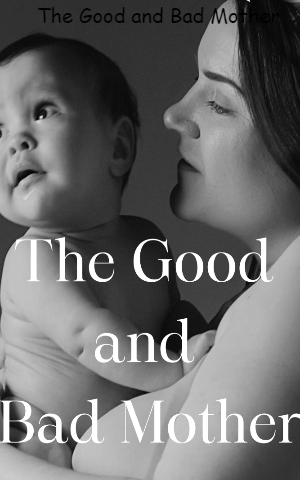
The Good And Bad Mother
The Good And Bad Mother

Age 3 When I was three, I remember the world as a wonderland with no worries and only filled with joy. My days passed with chasing butterflies, picking wildflowers, and listening to bedtime stories that always ended with warm hugs and kisses on the forehead. My mother was my hero, my constant source of love.
I remember it was a sunny afternoon, and I was playing in the garden. I fell and scraped my knee. Through the blur of tears, I saw my mother rushing towards me. I was scared. I thought Mom would be angry with me; she often scolded me if I hurt myself. She didn't scold me. She gently scooped me in her embrace, her touch magic, her voice soothing.
"It's okay, sweetheart. Mamma is here." She said while applying ointment.
The pain faded. But I didn't understand the reason behind her tears, why was she crying while I was the one who got hurt?
Age 5 When I turned five, she woke up before dawn every morning to prepare my favourite breakfast—Dal Puri with Sabjii. She walked me to school, holding my hand tightly, telling me stories to make the journey seem shorter whilst I was blissfully unaware of her tired eyes and the sleepless nights spent worrying about me.
I remember the day I stubbornly demanded a new pencil box which every one of my friends bought. I threw a tantrum, and she patiently coaxed me, eventually carrying me to school and surprising me with the pencil case the next day. I didn’t understand then that the pencil case was expensive, bought with the money she saved by skipping her lunch for a week.
Age 10 By the time I was ten, my mother turned more restrictive. She insisted on early bedtime and homework before play. She was too strict, I thought. One night, I wanted to stay up to watch my favourite cartoon.
“Maa, please, just this once!” I begged, my eyes wide with hope.
“No, sweetheart. You need your rest for school tomorrow,” she replied firmly.
I sulked and resented her, slamming my door shut. Later, I discovered she stayed up late that night, preparing the dress for my school function. I glimpsed her weary figure in the dim hallway light, an epitome of relentless dedication. I didn’t realize then how her firmness was laced with love, each "no" a safeguard for my future.
Age 15 At fifteen, my mother’s presence in my life seemed more like a series of rules and restrictions. She set curfews, questioned my friends, and monitored my schoolwork. I thought she was overbearing and didn’t trust me. I wanted freedom, she wanted safety.
I remember one rainy evening, “Mom, everyone else is going. Why can’t I?” I yelled when she forbade me from going to a party.
“It’s not safe,” she said, her concern masked as stubbornness in my adolescent mind.
“Why don’t you trust me?” I protested.
“It’s not about trust. It’s about keeping you safe. The weather is terrible,” she said.
I stormed off, angry and feeling unjustly treated. I called her controlling. But I didn’t notice, her standing by the window, watching me leave. The next morning, I found her asleep on the couch, her sleepless nights unseen by me, her sacrifices left buried under my teenage rebellion.
Age 18 At age eighteen, I was ready to leave home for college and live in the hostels. I remember I was so excited, to be finally able to embrace my independence. My mother helped me pack, hiding her tears behind a forced smile. She slipped a note into my suitcase, a letter filled with love, advice, and the promise that she was always there for me.
“Call me when you get there,” she said while hugging me tightly.
“Yeah, I will,” I replied, eager to start my new life.
Weeks passed before I called her. I didn’t realize then how much she missed me, how she checked her phone every few minutes, hoping to hear my voice. Her love was constant, I took it for granted.
Age 20 When I turned twenty, I met Ayush. I felt like I had found my soulmate. My mother warned me about rushing into things, but I thought she was trying to control my life.
“Mom, I love him! Why can’t you just be happy for me?” I snapped.
“I am happy for you, but marriage is a big step. Please, just take your time,” she pleaded.
But I was blinded by love. We married quickly, eager to escape her perceived constraints. She helped with the wedding, despite her fears. I dismissed her concerns, seeing only her doubts, not her love. On my wedding day, amidst the celebrations and joy, I saw her hiding, with tears streaming down her face. If they were tears of joy or fear, I would never know.
Age 25 At twenty-five, with two small children, I began to understand my mother’s actions. Sleepless nights, endless worries, and the constant balancing act of parenting made me realise the depth of her sacrifices. Yet, I still struggled with her advice.
“You need to take care of yourself,” she said one afternoon, watching me juggle a crying baby and a mountain of laundry.
“I’m fine, Mom! Stop criticizing me!” I snapped, feeling overwhelmed.
She quietly watched the kids so I could nap, maybe her way of showing care despite my harsh words. I felt guilty but never apologized.
Age 30 By the age of thirty, my mother’s wisdom became more apparent, though I still resisted her advice. My job was demanding, and I often felt like I was failing both at work and at home.
“You’re doing great, honey. Just don’t forget to take care of yourself,” she said.
“Mom, you don’t understand the pressure I’m under,” I retorted, not seeing her concern.
She quietly supported me, her love a silent force that kept me going. She would bring meals over, and take the kids for a weekend, giving me the space to breathe. Each act of kindness, was her way of showing she cared, even when I didn’t appreciate it.
Age 35 At thirty-five, my marriage began to crumble. My mother was my shield, offering support by always being, by my side.
“You need to take care of yourself, for the kids’ sake,” she reminded me gently.
“I know, Mom, but it’s not that easy,” I replied with frustration.
I remember one day, I lashed out at her. “You don’t understand! You’re just making it worse!”
She didn’t retaliate but held me as I cried, absorbing my pain without complaint, holding my hand through all my nights. Her selflessness only made my regrets deeper.
Age 40 At forty, my career had taken off, but it demanded more time away from my family. My mother’s health was declining, and I didn’t visit as often as I should have. She never complained, always asking about my work and the kids with genuine interest.
“Make sure you take time for your family, dear,” she advised gently.
“I will, Mom. Things are just hectic right now,” I replied, too busy to listen.
Her quiet endurance, her patience, and her unwavering support were things I began to miss only when it was too late. Each missed visit, each hurried phone call, was a lost opportunity to show her my love and gratitude.
Age 50 By fifty, my children had left for college. My mother, now elderly, became frail. I visited her often, bringing groceries and medicine. She still offered advice, which I sometimes dismissed.
I remember one day she asked, “Did you check the car’s tyres before your trip?”
“I will, Mom. Stop worrying so much,” I replied.
I ended up stranded with a flat tyre, realizing too late that her warnings were always her worries for me. I regretted every moment of ingratitude. On her last birthday, I held her frail hand, tears streaming down my face. “I love you, Mom,” I whispered, hoping she understood the depth of my remorse and gratitude.
Age 60 At sixty, I was with grandchildren of my own.
My mother passed away a few years ago, and her absence left a void in my life. And now, I can finally understand what motherhood is: a selfless bond that gives endlessly, without expecting anything in return. A role of unconditional unwavering love..
One autumn evening, as the leaves turned golden, a sharp pain in my chest brought my life to a sudden halt. Alone on the floor, my life flashed before my eyes, filled with moments of her care, often masked as control.
“Mom, I’m so sorry,” I whispered, tears blurring my vision. “I didn’t understand back then. I didn’t appreciate all you did for me. Thank you for everything. I love you so much.”
I reminisced the memories—her sacrifices, her unwavering support, her boundless love. Each moment of care, each act of protection, true to her role as a mother. I realized that every piece of advice, and every concern she voiced, was always because she loved me.
In death, I saw the good mother she always was, despite my immature inability to recognize it.
Afterlife From this silent realm, I watch my children live their lives. Ayushi, now a mother herself, faces similar struggles. I see her setting boundaries, and her children resenting them, just as I had with my mother. Suman is always independent and sometimes forgets to call, much like I did. They remember me, both the good and the bad, their memories of love and misunderstanding.I am sorry, my dear children, for the times I failed to show you my love, for the moments you perceived my care as control. I hope you come to understand, as I did too, the sacrifices made out of love. In my eternal rest, I watch over you, wishing you the wisdom to see the good mother in every act of guidance and protection. The good and bad mother lives on in your memories, a proof of the complexities of love and the sacrifices we often fail to recognize until it’s too late.