Library

 Profile
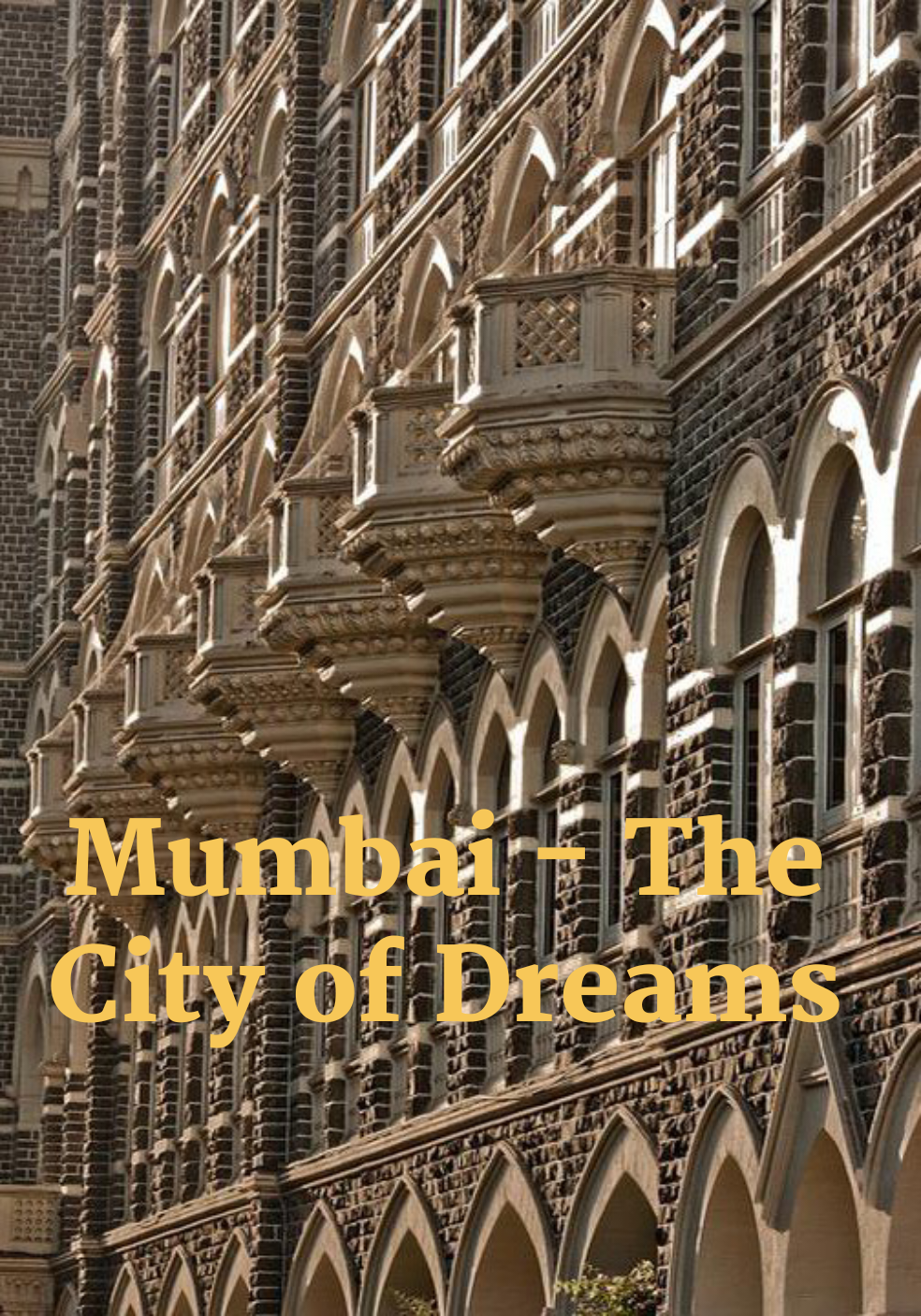
Mumbai - The City of Dreams
Mumbai - The City of Dreams

In 2000, Mumbai was not as crowded as it is today. However, the city's streets were filled with people from various regions of the country, all seeking different paths in life. Some wanted to hustle and create something of their own, some aspired to work for someone, while all the others came to become actors. Mumbai was the place to be, an emotion that resonated with anyone who passed through its bustling streets. Often referred to as "Maya Nagri" or the city of dreams, Mumbai earned this title because once people arrived, they rarely wanted to leave. The city's energy and opportunities captivated individuals, compelling them to pursue their dreams.
With similar dreams, Jamal stepped down at Dadar station. A simple cloth sling bag hung over his shoulder lovingly stitched by his mother for his journey to Mumbai. His other bag, constructed from bamboo sticks, contained his clothes and an abundance of food that would sustain him for days. His mother had astutely packed the bag, understanding precisely what her son would need to survive in a new place. And so, with Jamal and his two bags, the weight of hopes, dreams, and countless prayers accompanied him in this unfamiliar city.
Back in Moradabad, Jamal had a decent life. Since his father's passing when he was only nine years old, it had been just him and his mother, Jamila. Despite societal pressure, she steadfastly refused to remarry, recognizing the potential hardships it would impose on her son. Neither would a new husband accept Jamal as his own, nor would Jamal accept anyone else as his father. Gradually, Jamila's family withdrew their emotional and financial support, leaving her to pursue her chosen path. Undeterred, armed with her tailoring skills, she began sewing clothes for women, offering her services at half the rate of her competitors. Soon enough, she became the sole breadwinner and ensured that his son lives a life without any regrets.
One fine day, as they sat on the veranda, sipping their evening tea, the topic of marriage arose between them. Jamila believed that at 26, it was appropriate for Jamal to start a family but Jamal had other aspirations in mind. He expressed his desire to become a bridal wear specialist, a field he had developed significant skills in through his involvement with his mother's work. While Lucknow seemed like a suitable choice due to its potential opportunities, there was a deep longing within Jamal to go to Mumbai, the magical city that held many possibilities for his chosen path.
Although Jamila couldn't help but shed tears at the thought of being left alone, she wholeheartedly accepted Jamal's decision. Her love for him overshadowed any personal sadness she may have felt. She had always been proud of her son's talents and the life skills she had instilled in him, and she knew that supporting his dreams was the best way to show her love.
Jamal's determination and passion for bridal wear were evident, and Jamila understood that he needed to explore and grow in his field. While it was difficult to see her son leave, she knew that allowing him to follow his dreams would lead to his happiness and fulfillment.
With a mixture of sadness and joy, Jamila bid farewell to Jamal, knowing that his journey to Mumbai would be a significant step towards his dreams. She remained hopeful for his success and looked forward to the day when he would return, accomplished in his craft, ready to create beautiful bridal wear that would make her even prouder.
Now that Jamal was standing at the Dadar station, a station so vast that it felt almost never ending to him. He hadn't researched well before coming to the city so he didn't know where exactly he should go to find a decent place to live and start working under some professional. Though there were a lot of people from his village coming to Mumbai, he never made any contact with them, something that he should have.
Jamal was grappled with numerous difficulties and hardships. Losing his wallet and depleting his funds left him in dire straits. Every endeavor seemed to meet a dead end. From Dadar station to Worli to CST, he tirelessly searched for employment, moving from one station to another. The streets became his resting place; although unconventional, they provided a sense of security, as he was never truly alone amidst the bustling streets.
After a fortnight, Jamal finally secured a job as an assistant tailor to a master tailor in Claire Road, Byculla. This opportunity marked his resurgence. His skills weren't amateurish; his mother had meticulously trained him until he attained proficiency. Further, his ability to create a solid rapport with customers helped him get recommendations.
Jamal's day commenced with a modest meal of bun pav maska and a special chai at the 'Arabian Hotel,' a humble establishment frequented by countless individuals like him. Following breakfast, he visited a local government bathhouse before hurrying to his workplace. Throughout the day, he worked diligently, often forgoing lunch due to financial constraints. His evening hours were dedicated to work, concluding with a dinner at the motel before choosing a street to sleep on. Now employed in a shop, he prudently left his bag there, guarding against the risk of losing his wallet once more.
One Friday evening, seeking solace, Jamal sought out a distant street for a night's rest to avoid sleeping in the heat of many people. But something scary happened that night as when he woke up in the morning, he found himself in the sterile embrace of a private hospital bed, disoriented about his condition and surroundings. The events of the previous night remained elusive. A profound fear enveloped him as his body throbbed with pain, every breath a reminder of his vulnerability. Immobilized, he strained to move but to no avail.
His gaze fell upon a figure standing nearby. With partial eyesight, he recognized her as a nurse. Though he longed to speak, his strength failed him, leaving him silent and awaiting the unknown, engulfed by a sense of hopelessness and helplessness. Amidst his confusion, his thoughts were consumed by his mother.
After what felt like an eternity, a knock at the door heralded the entrance of Vijay Babu. Clad in immaculate white attire, he exuded an air of dignity and refinement. Wearing a distinguished Rado watch, pristine white shoes, and well-groomed hair, he possessed an aura of authority. His robust nose and dense moustache framed a face that radiated a sense of integrity. Approaching Jamal with purpose, he communicated urgency through his demeanour. Despite the urgency, there was an unmistakable air of compassion about him.
Introducing himself, Vijay Babu proceeded to recount the fateful incident that had led to Jamal's hospitalization. His words conveyed concern and sincerity. He explained how he had found Jamal in a dire state, his body evidently harmed. Describing the accident, he revealed that he had rushed Jamal to the hospital, where he had been under anaesthesia for two days. The earnest man then extended a wad of thousand-rupee notes, a gesture both unexpected and overwhelming.
The disoriented Jamal could neither respond nor stop Vijay Babu as he gently placed the money beneath his pillow and departed. In the following days, Jamal's condition improved, leading to his discharge from the hospital. As he surveyed his own body, he noted the stitches on his left abdomen, evidence of the car crash's impact.
With time, Jamal decided to depart Mumbai. He struggled to concentrate on work and wrestled with his weakened state, he longed for the comfort of his home. He eventually returned to Moradabad, where proximity to his mother provided solace. Utilizing the money gifted by Vijay Babu, Jamal started his own shop, achieved his desired milestones and eventually got married and started a family.
Years rolled on, and in 2005, Jamal's family embarked on a trip to Mumbai. Despite five years having passed, Jamal's memories of the city remained vivid — his attack, his rescue, and the subsequent journey to recovery. Visiting Claire Road, he reconnected with his master tailor, stayed at a mid-level hotel with his wife and child, and experienced iconic Mumbai landmarks that had previously been out of reach due to financial constraints.
Yet, Jamal's gratitude to Vijay Babu never wavered. He longed to meet him, to express his thanks, a sentiment left unspoken during his time of vulnerability. He embarked on a quest to find Vijay Babu once more, revisiting the 'Arabian Hotel' where he had once sought refuge. With all the enthusiasm he went to the hotel manager and asked if he knew anything about this great man named Vijay Babu. What the manager had to say was something that shattered him all over again. This time there was no open cut, but it ached more than the previous attack. He left the city the same hour with his wife and son. Left to never come back.
Sitting in the train's window seat, Jamal's eyes were welled with tears. The haunting words of the man at the counter echoed relentlessly in his mind. "That rascal had to meet his fate; he recently suffered a severe car accident. His skull was flattened under the wheels, which hardly seems enough retribution for the atrocities he committed. He would abduct people in the dead of night, extracting their kidneys to sell for lakhs of rupees."