Library

 Profile
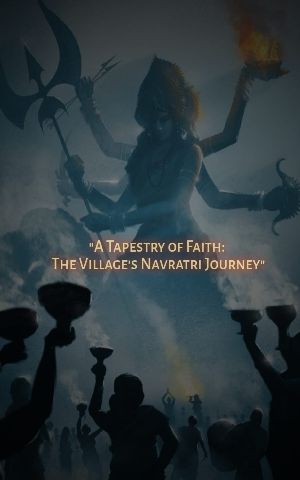
A Tapestry of Faith: The Village's Navratri Journey
A Tapestry of Faith: The Village's Navratri Journey

The people of a little village set among beautiful trees and rolling fields observed the nine nights of Navratri with great devotion. Each day came a new color, reflecting Ma Durga's divine aspects and supporting the farmers through their challenges.
The first day started in purity, with the townspeople dressed in white. In the face of a rising crisis—a severe drought that had devastated their crops—they sought quiet and serenity. Ma Durga arrived in the appearance of a tranquil, pure lady to instill serenity in them, telling them to rediscover purity in their souls even in the face of adversity.
The color of devotion changed with each passing day, signifying the goddess' heavenly force. On another day, she arrived in royal blue, radiating her holy aura and instilling hope in the villagers.
As the drought lasted, the locals were wrapped in yellow, the color of joy and cheerfulness. Ma Durga's presence in this brilliant shade taught them to find joy in hardship, and they began to share their little resources, finding delight in unity.
The lush green environs of their village inspired yet another green manifestation of Ma Durga. This figure represented Mother Nature's nurturing powers, and under her guidance, the people developed new ways to respect and nurture their land, aiming to overcome the drought's obstacles with renewed zeal.
In their darkest hour, she arrived in grey, symbolizing the annihilation of evil. The peasants banded together, their spirits unbroken, confronting the drought with tenacity and fortitude.
Ma Durga took on a flaming orange hue as hope began to bloom, symbolizing fire, light, and knowledge. Her presence instilled newfound insight in the villagers, and they used their joint ingenuity to confront the issue.
When their wishes began to come true, she took on the color peacock green, which represents satisfied desires. Every drop of rain that fell on their parched country was praised, and their greatest desires appeared to be within grasp.
The final days of Navratri were spent in a warm embrace of pink, which represents purity and femininity. Ma Durga taught the locals to look out for one another, to assist their neighbors, and to embrace the feminine energy inside them.
They experienced the drought, built their friendships, and discovered the strength within themselves thanks to their unwavering belief and Ma Durga's leadership. The colors of Navratri had directed their hearts and lit their souls, proving the power of faith, unity, and Ma Durga's blessings. Their narrative of optimism and commitment has already spread far beyond their town, serving as a constant reminder of the profound symbolism behind the Navratri colors and the power they can provide in times of distress.
As villagers continued to celebrate Navratri, their journey took unforeseen turns. Ma Durga appeared as a beautiful peacock with feathers of vivid green and royal blue on one of the days. The sight was breathtaking, and the villagers viewed it as a sign of her heavenly favor. The sky darkened, and rain fell, hydrating the parched earth. The villagers danced in the rain, their hearts overflowing with gratitude.
However, the downpour brought with it additional difficulties. Floods threatened to overwhelm the village, and joy gave way to fear. The same water that had brought an end to their drought was now destroying their homes and livelihoods. Ma Durga appeared as a calming presence in peaceful white, and the villagers turned to her once more. Her supernatural certainty and leadership inspired villagers to collaborate in defending their homes and safeguarding their crops. They overcome this new challenge by unity and faith.
When a visitor arrived in the village. He told stories about a different village where Navratri was celebrated by planting trees in honor of Ma Durga. The locals were intrigued and decided to include this tradition in their own festival. They planted seedlings as a symbol of regeneration and hope.
Years passed, and the village prospered. The once-arid terrain was now lush with foliage, and the locals never forgot the lessons they learned during that difficult Navratri. Their story became a legend, passed down through centuries as proof of the enduring power of faith, unity, and Ma Durga's heavenly blessings.
Navratri, with its colors and immigration, is a celebration of the human spirit as much as the goddess. In the face of hardship, togetherness, faith, and flexibility can lead to resilience and regeneration. People can tap into their inner powers to overcome challenges and find their way to a brighter future, just as Ma Durga embodies many traits via the colors of Navratri.