Library

 Profile
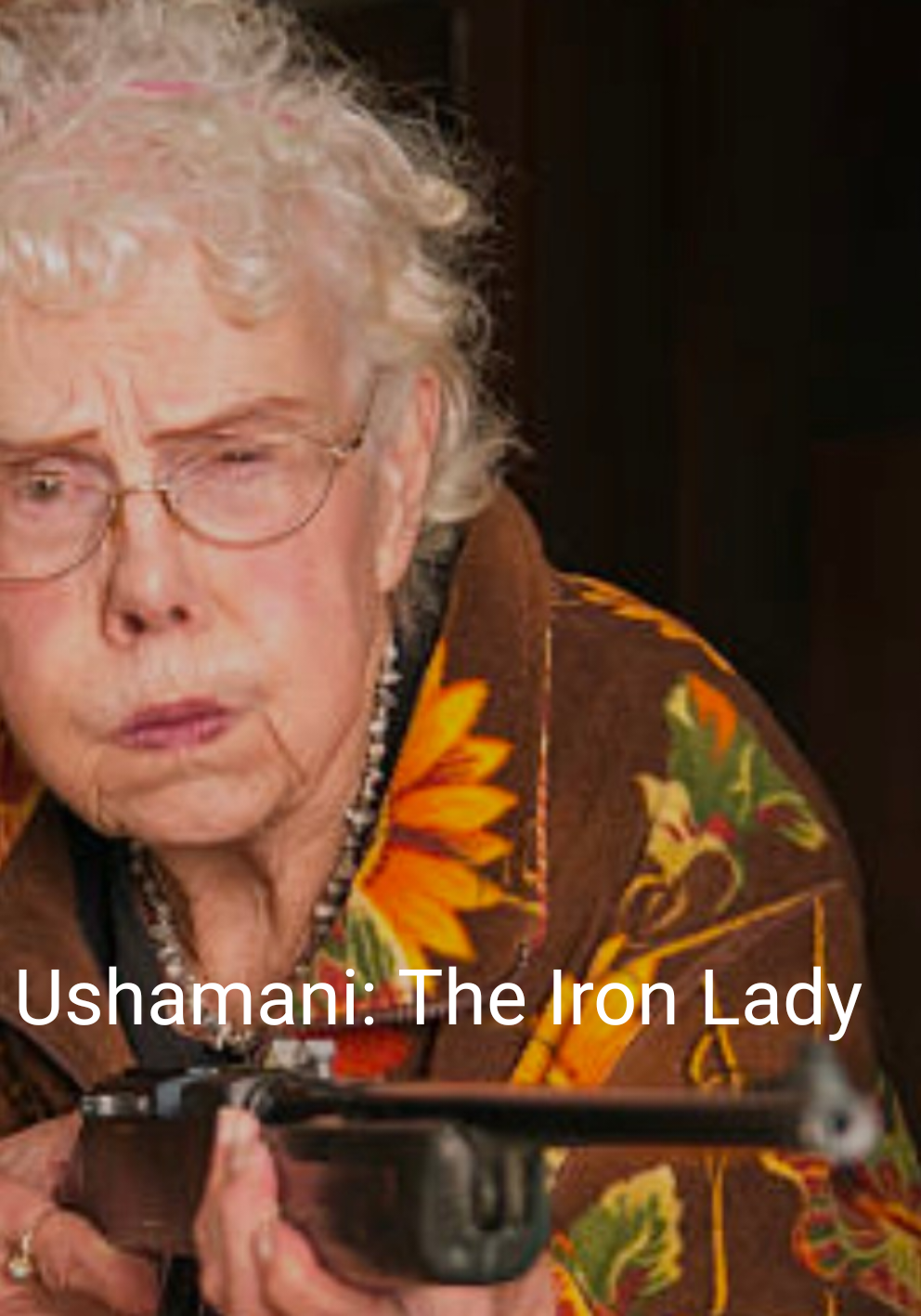
Ushamani: The Iron Lady
Ushamani: The Iron Lady

Satish Patnaik had turned into something like a statue — not of marble or bronze, but of stunned silence and shame. The unimaginable had occurred. Now, he was the only soul left to inhabit the sprawling, decaying ancestral home nestled in a village of just fourteen families — mostly quiet farmers and humble craftspeople.
His once-indomitable grandmother, Ushamani, was in jail.
His wife, Sweety, taught toddlers at the local government school. Once a whirlwind of city life, she now traced the alphabet on blackboards smudged with chalk dust.
Satish, a civil engineer by education, had rejected lucrative city jobs. He chose instead the rhythm of the soil. He was preparing the land for organic farming and entertaining dreams of building a dairy farm from scratch. It was a quiet rebellion — against modern life, against expectation, and perhaps against his own past.
The Storm Before the Silence
The village had a long-standing, unspoken rule — only one caste had the “right” to reside there. Outsiders, especially those from different castes, were seen as invaders of tradition.
And Satish had broken that brittle barrier with one bold act of love — he had married Sweety, a fiery, self-assured Brahmin girl from Cuttack.
It was a scandal, a rupture that split his family and village in two.
His grandmother, Ushamani, had hissed like a snake cornered, her voice low and razor-sharp:
“You’ll marry a girl who wears full pants and a boy’s shirt? You expect our ancestors to accept food and water from her hands?”
The real explosion happened when Sweety arrived on a motorcycle, jeans clinging to her legs, laughter ringing like city bells, her braid flying like a rebel’s flag. Worse — the two were caught smoking in Ushamani’s own bedroom. A large bottle of wine sat unapologetically on the floor like a drunken ghost.
From the kitchen, she had smelled the cigarette smoke — sharp, bitter, and sacrilegious. Her pots and pans clanged in rage as her culinary pride — built over decades of spicy mutton, fragrant rice, and fish curries — was now poisoned by disrespect.
Ushamani’s hatred for chicken bordered on the spiritual. She claimed that Lord Ram had once told a hen:
"Anyone who eats your flesh will bear the sin of killing Me."
Satish mocked her with laughter:
“Were you taking notes when the Lord said that?”
She would tremble with fury.
Yet behind her rigid beliefs and stern words was a broken woman. She had raised Satish from the time he was nine months old, after his parents were crushed under a bus on a rainy highway. Miraculously, the infant Satish had survived the crash without a scratch. Ushamani had questioned her gods through tears:
“Is this the fruit of my lifelong worship? You left me alive only to watch the ruins?”
But over time, her grief softened. She saw her grandson’s survival as divine mercy. She dedicated herself to raising him — and he rose high, topping his engineering class. But the moment he moved to his uncle’s house in the city, her dreams began to unravel. He returned not as the obedient boy she’d nurtured, but a smoker, a drinker — and worse, in love with a loud, non-vegetarian Brahmin girl who wore lipstick and danced to English songs.
When Love Invites Violence
Sweety’s brother, Kulu, once a close friend of Satish’s, felt doubly betrayed — first as a brother, then as a friend. His ego scorched, he swore revenge. The son of a powerful, corrupt politician, Kulu, with the help of a hired goon, devised a plan to "rescue" his sister by eliminating Satish.
They stormed the village like thugs in a bad play, drunk and armed with swords. When Ushamani tried to reason with them, they hurled abuses at her. Frightened but alert, the old woman locked herself in her room.
She heard the sickening sound of wood splintering as her door was smashed. Screams followed — Satish’s and Sweety’s. Blood splattered the floor.
And something ancient awoke inside Ushamani.
She opened a dusty trunk and pulled out her late husband’s service revolver — the one he had cleaned every Diwali, saying, “A weapon, like a prayer, must never fail when needed.”
She stormed out, white-haired and trembling but resolute.
“Leave this instant, or I will shoot!” she roared.
The attackers laughed, mockingly.
“Old bitch! Die first!”
And then the shots rang out — five, maybe six.
Kulu dropped instantly, dead. The goon clutched his bleeding waist, moaning like a dying animal.
Villagers gathered, gasping at the sight of the devout old woman, still holding the gun.
---
Justice and Redemption
Ushamani walked calmly to the police station, her sari streaked with blood, her eyes steady.
A young officer stuttered,
“Aunty… you know how to shoot?”
She placed a file on the table.
“My husband taught me. And I have a valid license.”
She spoke not only for herself but for thousands of voiceless women.
“Our women must be armed. We are tired of waiting for help that never comes. If not strength, give us at least the right to protect ourselves.”
Though arrested, she became a local legend overnight.
After several months in custody, the district court ruled in her favor: self-defense. She was cleared of all charges.
The Chief Minister visited her personally, listening as the iron-willed matriarch argued that ex-soldiers and their wives must be allowed licensed firearms in remote villages.
A New Dawn
Sweety and Satish were never the same again.
Gone were the arrogant smiles and careless jokes. They turned to farming, sowing both seeds and repentance. Sweety began teaching children in the village. Satish built a small dairy, filling it with cows instead of pride.
Each evening, the three — yes, even Sweety — sat on the verandah and listened to Ushamani recite the Bhagavad Gita in her quivering but unwavering voice.
The village, once divided by caste and custom, now listened too — not just to her words, but to her legacy.
---