Library

 Profile
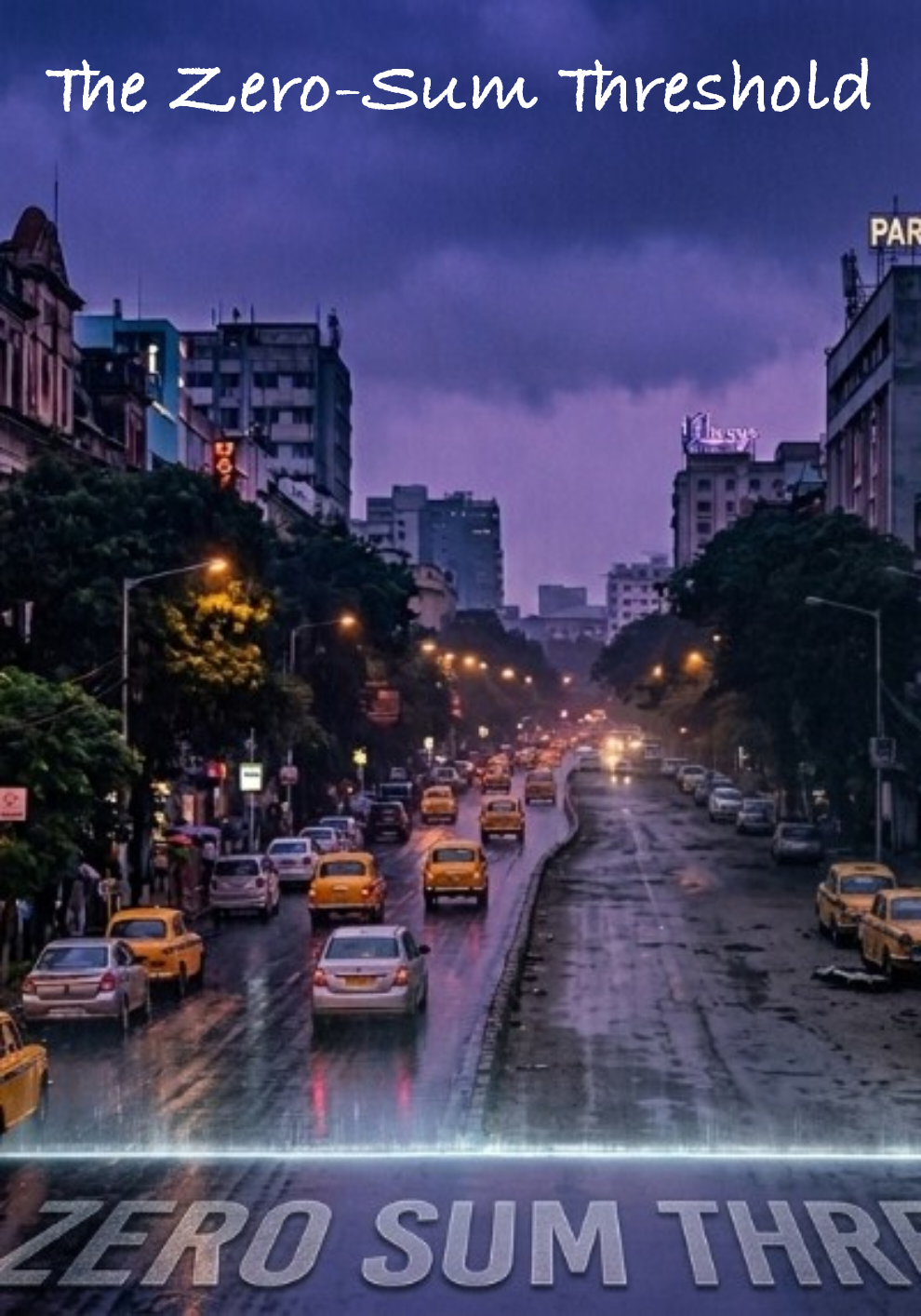
The Zero-Sum Threshold
The Zero-Sum Threshold

The air inside the underground command bunker always smelled of ozone, stale filtered water, and cold sweat. Located deep beneath a jagged mountain range, the Strategic Command Center was designed to survive an apocalypse, but it was never meant to be the place that started one.
General Arthur Vance stood before the primary tactical display, his eyes locked onto a blinking amber icon on the digital map of the continent. The digital clock on the bulkhead wall read 03:14 UTC.
"Confirm the relay source again," Vance ordered, his voice dangerously calm.
"Relay is verified, sir," replied Captain Miller, her fingers flying across her terminal. "It’s a Tier-1 deep-cover intelligence asset operating out of the eastern coalition’s central defense command. The transmission bypasses standard diplomatic channels. It's an flash-override alert."
Vance leaned over the console. "And the exact phrasing?"
Miller swallowed hard, reading directly from her screen. "Launch authorization code sequences have been uploaded to frontline siloes. Target coordinates locked on our capital and major military sectors. Estimated time of execution: fourteen minutes."
The words hung in the sterile air like a physical weight. The prompt from the contest brief in 1000341997.jpg laid out the brutal math perfectly: A country receives urgent intelligence. A nuclear attack may be coming. The information is not fully confirmed. It could be true. It could be wrong. Time is running out.
"Fourteen minutes," Vance whispered. He looked up at the massive display. "What is our current satellite verification?"
"We are tracking heavy cloud cover and intense electromagnetic interference over the coalition's northern sector, General," the surveillance officer interjected. "We have zero thermal imaging updates. Infrared satellites won't pass over the silo fields for another twenty minutes. Visually, we are completely blind."
"So we have an unconfirmed report from a single human asset, an unverified threat, and a looming deadline," Vance summarized. He felt the phantom pressure of millions of lives resting squarely on his shoulders. If the intelligence was accurate, waiting meant the complete annihilation of his country’s defensive capabilities, its leadership, and its populace. Striking first would decapitate the enemy's leadership and disable their siloes, saving his homeland.
But if the asset was compromised, or if the coalition was merely running a high-stakes simulation that the asset had misread, a preemptive strike would initiate an unwarranted global holocaust.
"General," Miller said, her voice shaking slightly. "The automated retaliation protocols are prompting for your key. If we are going to launch a preemptive counterforce strike to neutralize their siloes before they fire, we must authorize it within the next four minutes to account for missile transit times. After that, a first strike loses all strategic utility. We will be forced to absorb the hit."
"Strategic thinking," Vance muttered to himself, recalling the foundational rule of his training, a theme demanded by the prompt in 1000341999.jpg. Do you strike first? Do you wait? Do you trust uncertain intelligence? Do you risk millions of lives?
He walked over to the secondary terminal, where the red authorization console sat enclosed in reinforced glass. He inserted his master key. The system hummed, changing from a passive monitoring state to an active launch-readiness posture. The screens shifted from cool blues to an ominous, flashing amber.
"Sir, we have a secondary feed coming in," Miller announced suddenly. "It's an encrypted diplomatic flash-message on the secure backchannel line from the Eastern Coalition's Premier."
Vance didn't turn around. "Put it on speaker."
A burst of static filled the room, followed by a tense, strained voice speaking through an automated translator. "To whoever is commanding the Western Strategic Center: We are experiencing a massive, systemic cyber breach within our central military mainframe. Rogue elements within our technical branch have seized control of several automated silo arrays. They are attempting a forced launch sequence. We are fighting to regain manual override. Repeat, this is not an state-sanctioned action. Do not retaliate. Give us ten minutes to isolate the network."
The bunker fell dead silent. The hum of the cooling fans seemed to amplify tenfold.
"General," the intelligence officer warned. "This could be a classic asymmetric deception tactic. They know our asset tripped the alarm, and they are using this 'rogue cyber-attack' story to freeze our trigger finger until their missiles are in the air. It buys them the exact window they need for a clean first strike."
"Or it's the absolute truth," Miller countered, looking at Vance with wide, terrified eyes. "If we launch now, we kill any chance they have of shutting down the rogue sequence. We guarantee the end of the world."
The countdown on the primary display reached 02:00 minutes until the point of no return for a preemptive option.
Vance’s hand hovered over the dual-key mechanism. His mind raced through every geopolitical simulation he had ever studied. True strategic thinking wasn't just about winning a conflict; it was about preventing the total collapse of the board. If he chose to trust the uncertain intelligence and launch a preemptive strike, he was choosing a path of absolute certainty: billions dead, a scorched planet, and a legacy of ash.
If he waited, he was choosing a path of profound risk, betting everything on the thin, fragile hope that a foreign adversary could fix a glitch or defeat a rogue cell before the clock ran out.
"General, thirty seconds to first-strike expiration," Miller warned, her finger hovering over the transmission relay. "Your order?"
Vance took a deep breath, the weight of the decision settling heavily in his chest, exactly as dictated by the contest parameters in 1000342001.jpg requiring a major decision and high tension. He looked at the flashing red light on the terminal. He thought of his family sleeping soundly in the capital city, completely oblivious to the fact that their existence was being weighed in seconds inside a concrete tomb.
Slowly, deliberately, Vance pulled his hand away from the launch keys. He turned his back on the red console.
"Abort the preemptive launch sequence," Vance commanded, his voice steady and resolute.
"Stand down the counterforce strike. We wait."
A collective gasp echoed through the room.
"Sir!" the intelligence officer protested. "If they are lying—"
"If they are lying, our secondary retaliatory submarines are already submerged in deep water, completely undetectable," Vance interrupted sharply, his strategic logic cutting through the panic. "They will execute our second-strike protocols regardless of what happens to this bunker. A preemptive strike from us right now guarantees total destruction. Waiting gives peace a narrow, fighting chance. We hold the line."
The digital clock ticked past the first-strike threshold. The option to hit the enemy in their siloes evaporated. Now, they were entirely vulnerable.
"Ten minutes until estimated impact if the rogue launch succeeds," Miller whispered, her face pale.
The room transformed into an agonizing waiting room. Nobody spoke. Nobody moved. The screens continued to show the blind spot over the enemy territory. Every tick of the clock felt like a hammer striking an anvil. Five minutes passed. Seven minutes.
At exactly 03:26 UTC, the primary tactical display flashed violently. The heavy cloud cover over the northern sector had momentarily broken, allowing a high-altitude thermal reconnaissance satellite to send a clean packet of telemetry.
Miller leaned into her screen, her eyes scanning the raw numbers translating into visual data. A choked sob escaped her throat.
"Report, Captain," Vance said, bracing himself for the worst.
"Thermal signatures... dropped to zero, sir," Miller breathed, wiping a sudden tear from her eye. "The silo doors are closing. The radiation spikes from the launch-booster pre-heating sequences have vanished. They... they cut the power to the grids. The Premier wasn't lying. They regained control."
The entire command center erupted into a chaotic wave of relieved sighs, nervous laughter, and muttered prayers. People slumped into their chairs, the immense physical tension draining from the room like water breaching a dam.
Vance remained standing, staring at the screen as the blinking amber icon finally turned back to a passive, steady green. He slowly removed his master key from the console, his hands finally allowing themselves a slight, imperceptible tremor. He had looked directly into the abyss of the nuclear dilemma and refused to let fear dictate the fate of humanity.
He walked over to Miller’s station, looking out at the world above through the data feeds—a world that was currently waking up to a quiet, normal morning, entirely unaware of how close they had all come to never waking up at all.
"Keep a direct line open to their central command, Captain," Vance said quietly, adjusting his uniform jacket. "And tell the Premier we're glad they found the kill switch."