Library

 Profile
Roar.
Roar.

Roar~
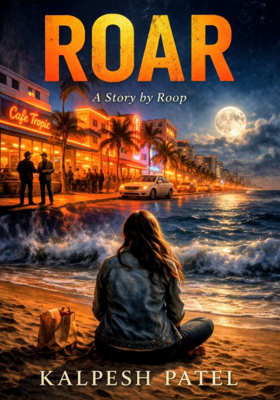
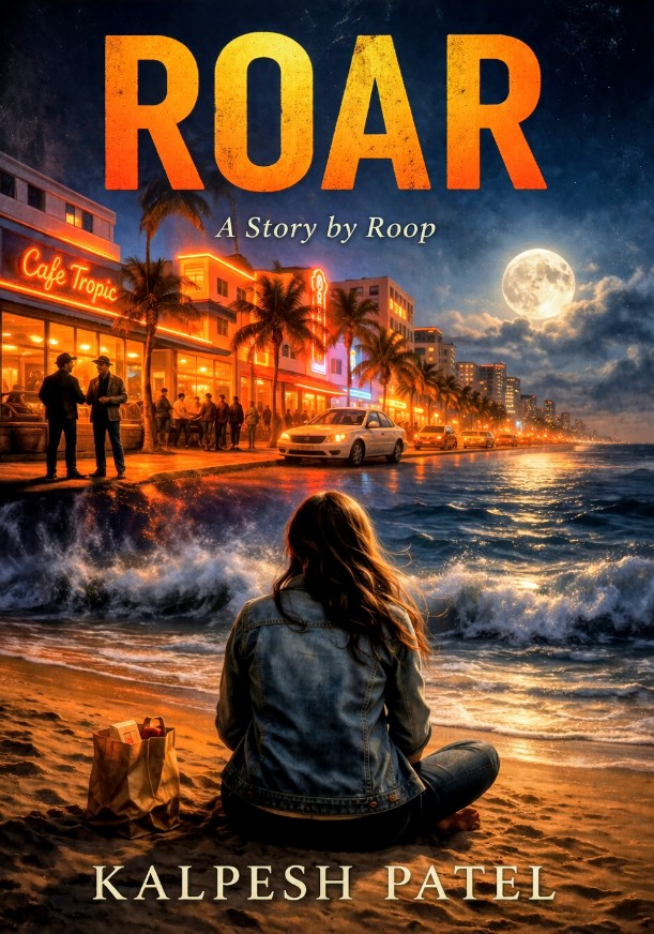
Miami Beach was a carnival of illusions.
Neon lights painted the night in restless colors, music pulsed like a heartbeat through Ocean Drive, and the ocean whispered promises of freedom to anyone willing to listen. People came here to forget—jobs, heartbreaks, past lives. And for a while, Maria believed she had found a place where life could be simple again.
By day, she worked at a beachfront café—smiling at strangers, serving overpriced coffee, pretending the tips made it worth it. By night, she walked the shore, letting the waves wash away her thoughts. It was a rhythm she trusted.
But slowly, the rhythm began to crack.
She noticed the waiters in neighboring restaurants—faces tired, smiles mechanical—working double shifts while tourists laughed over half-eaten meals they would never finish. Plates returned full, food thrown away without a second thought.
She noticed the murals too.
Once, an entire alley near her apartment had bloomed with color—stories painted by unknown hands. A woman with wings made of broken clocks, a child holding the moon like a balloon. Maria used to stop there every evening, tracing meanings in silence.
One morning, it was gone.
Replaced by a smooth, gray wall. A sign read: “Future Site of Luxury Residences.”
The city was changing, she told herself. That’s what cities do.
Still, something inside her resisted.
Her friend Daniel didn’t see it that way.
“Maria, this is growth,” he said one afternoon, sipping cold brew as he scrolled through his phone. “New buildings, new money. It’s opportunity.”
“For whom?” she asked quietly.
Daniel shrugged. “For those who take it.”
Maria wanted to argue, but she didn’t. Because part of her knew—she, too, was surviving. She smiled at rude customers. She ignored waste. She chose silence when speaking up might cost her job.
Maybe blindness wasn’t just theirs.
Maybe it was hers too.
That evening, everything shifted.
She was walking past Ocean Drive when she saw him—a thin, aging man standing near a restaurant patio. His clothes were worn, his voice low but desperate.
“Just some food… please.”
Inside, laughter erupted. Glasses clinked. A group celebrated something—promotion, birthday, who knew.
A waiter stepped outside, his expression tight. “You can’t stand here,” he said. “You’re disturbing the guests.”
“I’m just asking—”
“Move.”
The man hesitated. Then a security guard approached, firmer, colder. Within seconds, he was pushed away from the glow of the restaurant into the dimness of the street.
The laughter inside never paused.
Maria stood frozen.
It wasn’t the cruelty that struck her—it was the ease of it. The normalcy. As if this was simply how things worked.
As if it was acceptable.
That night, she sat on the sand, the ocean restless under the dark sky.
“It’s not just selfishness,” she whispered.
The waves crashed harder, as if answering.
“It’s survival… dressed as selfishness.”
People weren’t blind because they didn’t see. They were blind because seeing would demand something from them—sacrifice, discomfort, change. And comfort was a powerful shield.
She hugged her knees, feeling the weight of that truth.
And then another thought came, quieter but sharper:
What about me?
She had seen. And still, she had done nothing.
The next day, the city looked the same.
The neon still flickered. The music still played. The ocean still whispered.
But Maria was different.
At work, when a table left behind untouched food, she hesitated. Normally, it would go straight into the trash.
This time, she packed it quietly.
Her manager frowned. “That’s not policy.”
“It should be,” she replied, her voice calm but firm.
It wasn’t a grand rebellion. It didn’t change the system. But it was a beginning.
Later, she walked back to Ocean Drive.
The same man sat on a bench, staring at nothing in particular. She approached slowly, unsure, carrying the small bag.
“Hi,” she said.
He looked up, surprised.
“I thought… you might be hungry.”
For a moment, he just stared. Then he took the bag, his hands trembling slightly.
“Thank you,” he said.
Two simple words.
But they carried something the city had forgotten.
That night, Maria returned to the beach.
The ocean roared louder than before—not a whisper now, but a challenge.
She realized something then: the world wouldn’t change all at once. The illusions wouldn’t disappear. The system wouldn’t suddenly become kind.
But blindness was a choice.
And so was seeing.
And maybe, just maybe, small acts of seeing—of refusing to look away—could become their own kind of roar.
Maria stood up, the wind pulling at her hair, her heart steady.
Miami Beach was still a stage of illusions.
But now, she was no longer just a spectator.
She was now awake.
Because,she realised that,Humans are very intelligent and selfish. If they like anything, they don't see its defects and if they hate anything, they never see its goodness.
~~~~~~~~~~~~~