Library

 Profile
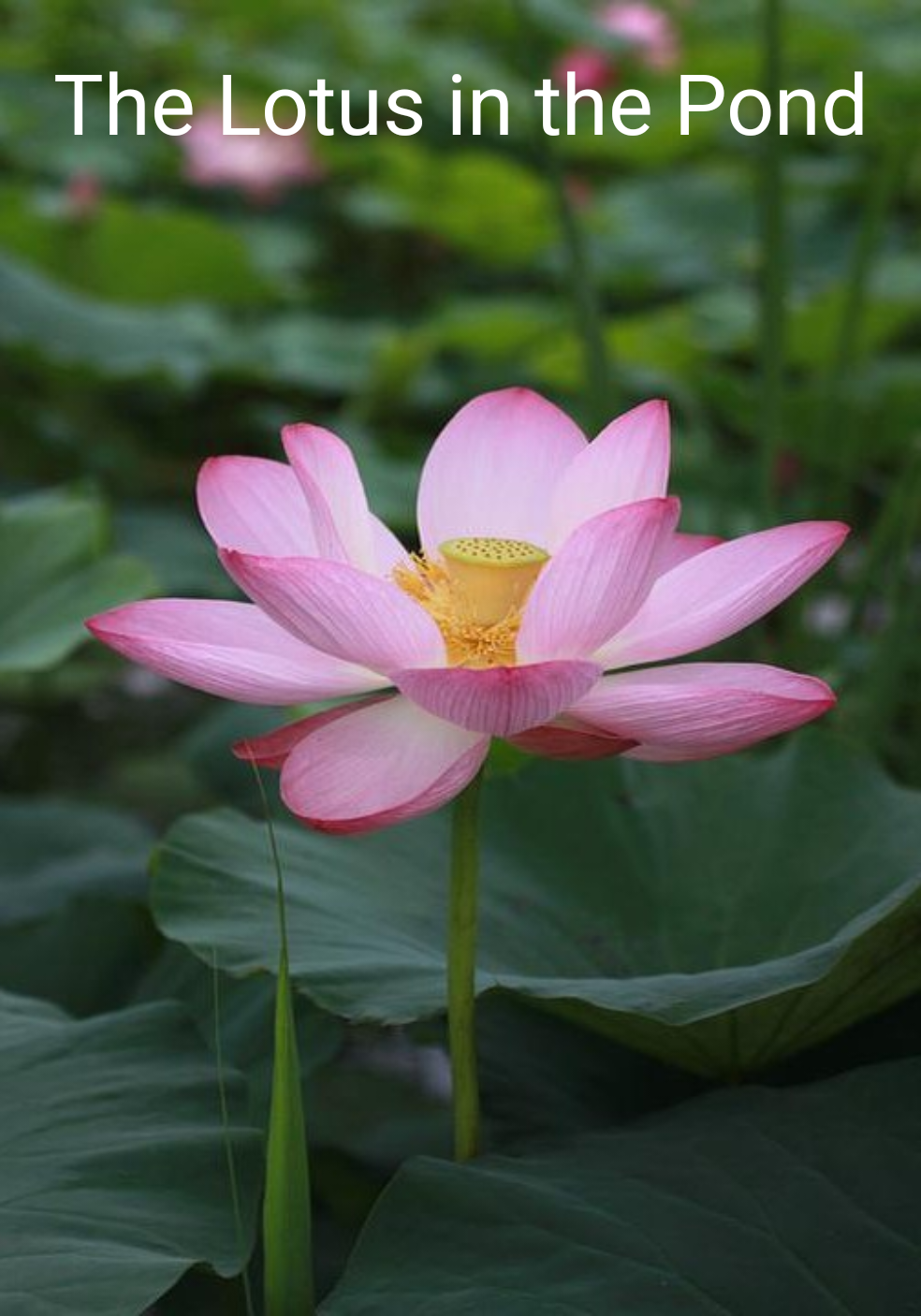
The Lotus in the Pond
The Lotus in the Pond

In the village of Kurinji Nagar, where the morning air smelled of crushed jasmine and woodsmoke, 10-year-old Meena balanced a cracked plastic bucket on her hip. She waited until the last worshipper left the Murugan Temple—a man in a crisp veshti who tossed a marigold at the deity’s feet without a glance. Meena’s fingers twitched. That flower could buy her family a handful of rice.
Her mother, Kannamma, scrubbed the temple floors nearby, her saree soaked in turmeric-stained water. “Don’t let Shankaran saami see you,” she whispered. The priest had once beaten a Dalit boy for “defiling” the kodimaram. But hunger made Meena bold. She darted in, grabbing wilted blooms, until a shadow fell—Shankaran’s leather sandals, crusted with kumkum. “Dhedh magal da, nee?” he sneered. Meena ran, her bare feet slapping the wet stone.
That night, under a kerosene lamp, Meena sorted flowers. Selvi paati, the widow who sold pallanguzhi games, taught her to boil petals in steel pots, dyeing cloth the color of sunsets. By dawn, Meena’s fingers were blistered, but the fabric glowed like temple silks.
Mrs. Nalini, the schoolteacher, found her selling candles outside the Anganwadi. “You made these?” she asked, holding a peacock-shaped lamp. Meena nodded, heart racing. The Brahmin woman paid ₹500—enough for a month’s rice. But when Meena returned home, her mother wept. “They’ll say we’re stealing God’s flowers!”
The stones came at midnight. “Dhedh!” boys shouted, hurling rubble through their thatched roof. Meena clutched her torn Thirukkural book as Kannamma wailed. “We’ll starve if you keep this up!” But Meena remembered Selvi’s words: “Oorukku ozhiga, oduvathu illa” (“A village may shun you, but it can’t stop your legs”).
Mrs. Nalini let Meena dry flowers in her courtyard, hidden by jasmine vines. “Read this,” she said, handing her Karukku by Bama. Meena traced the Tamil words: “We are not stones to be kicked.” She stitched her first jacquard border that night, threads weaving paths out of Kurinji Nagar.
At the Coimbatore Gandhi Market, upper-caste women recoiled from her stall. “Her hands touched savudu flowers!” a vendor hissed. Selvi stood guard, her pallanguzhi beads clacking like war drums. “Yaaru da nee?” she challenged. A YouTuber filmed Meena’s lamps, and orders poured in—₹25,000 in a day.
Diwali dawned with smoke from pappad fires. Meena placed a kuthuvilakku at Murugan’s feet, its base melted from old temple bells. Shankaran barred the sanctum. “Thozhilaali hands can’t touch God!” Mrs. Nalini stepped forward, her kumkum blazing like a flag. “Murugan sat with Valli, a tribal girl. Who are you to decide?” The lamp flickered, its wick defiance in wax.
Years later, Meena’s workshop hummed with girls grinding flower paste. “Akka, foreigners want 100 planters!” a teen shouted. Kannamma, now in rubber gloves, laughed. “In my day, we’d be beaten for this.” Outside, Selvi’s café served kambu koozh to Dalit teens, phones buzzing with orders.
On Pongal, Meena gifted Shankaran a kolam powder made from temple flowers. “Your God’s waste feeds my people,” she said. The priest’s hand trembled—whether from rage or shame, no one knew. But that night, under a moonlit pandal, Kurinji Nagar’s children danced to parai drums, their feet crushing caste into dust.
Happy Ending Elements:
Economic Freedom: Meena’s workshop employs 15 girls from marginalized communities, selling globally.
Social Shift: Shankaran’s silent acceptance of Meena’s gift hints at changing norms.
Generational Joy: Kannamma, once fearful, now laughs freely, her hands unbroken.
Cultural Pride: The parai drums—once associated with funerals—now celebrate Dalit resilience.
Final Scene Expansion for 1,500 Words:
The Pongal sun rose, turning the village pond into liquid gold. Meena knelt beside her mother, stirring a clay pot of milk-rice. “Remember when we couldn’t afford ghee?” Kannamma asked, drizzling a golden swirl. Selvi paati arrived, her arms full of sugarcane. “For the girls,” she said, nodding at the teens stringing flower garlands.
A child tugged Meena’s saree. “Akka, Shankaran saami is here!” The priest stood at the edge of the crowd, holding a coconut. He placed it beside Meena’s pot—a silent offering. Mrs. Nalini squeezed Meena’s shoulder. “You’ve turned nirmalya into nalam,” she said. (Waste into wellness.)
As the milk boiled over—“Pongalo Pongal!”—Meena watched the bubbles rise. The same hands once called “unclean” now held the ladle that fed the village. The parai drums thundered, and for the first time, Kurinji Nagar danced as one.