Library

 Profile
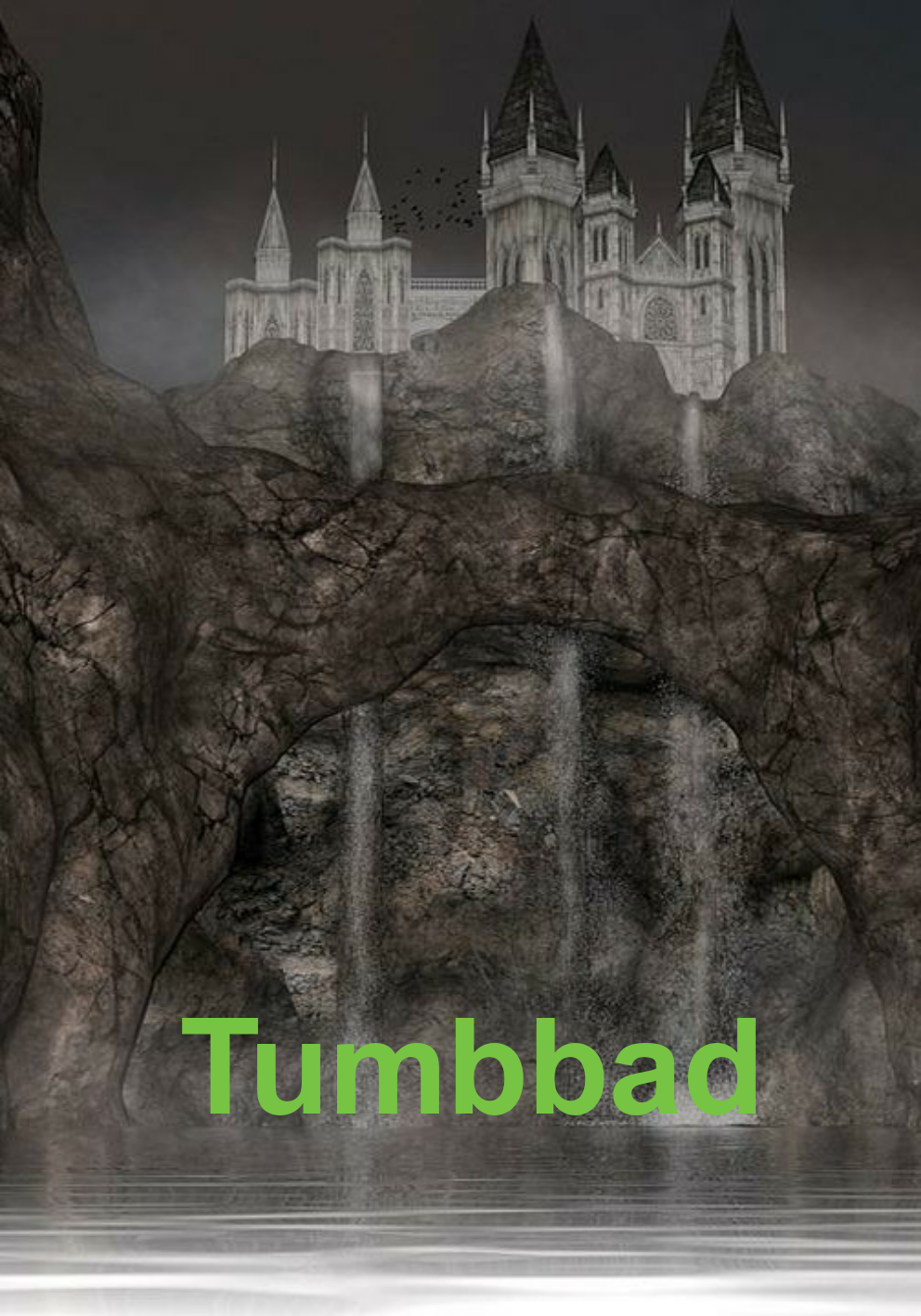
Tumbbad
Tumbbad

Got it 👍 tumhe detail mein, paragraph-wise, smooth English story chahiye for Tumbbad.
Main tumhe ek well-structured, flowing narrative de raha
The story of Tumbbad begins with an ancient myth that sets the tone for everything that follows. According to legend, there was once a powerful goddess who created the entire universe. She was the source of all life, wealth, and food. Among her many children, her first-born son, Hastar, was different. He was consumed by greed and desired all the gold and food that was meant for humans. In his hunger for everything, he tried to steal both. This angered the goddess, and as punishment, she cursed him. He was neither fully destroyed nor allowed to live freely. Instead, he was condemned to be forgotten forever, never to be worshipped, and left to wander in darkness with his endless hunger.
Years later, this forgotten legend survives secretly in a small village called Tumbbad, a place where it rains almost endlessly. The village feels isolated, mysterious, and burdened by something unseen. In this eerie setting lives a young boy named Vinayak Rao, along with his mother and younger brother. They reside in a large but decaying mansion that once belonged to a wealthy family. However, the house holds a terrifying secret. Inside it lives an extremely old grandmother, whose appearance is unnatural and frightening. Her body is withered, and she is kept alive under disturbing conditions. She is not entirely human anymore and is closely connected to the dark secret of the house.
Vinayak grows up hearing whispers about hidden treasure buried somewhere within the mansion. Being young and curious, he becomes fascinated by the idea of gold. Poverty around him makes the thought even more tempting. Despite his curiosity, his mother repeatedly warns him never to search for the treasure. She understands the danger behind it and tries her best to protect her sons. Her warning is clear and strict, but Vinayak’s curiosity slowly begins to turn into desire.
One day, driven by this desire, Vinayak attempts to uncover the truth. What he experiences is enough to show him that something unnatural and dangerous lies hidden. Realizing the threat, his mother decides to leave Tumbbad immediately. She understands that staying there will only lead to destruction. The family leaves the village behind, hoping to escape its curse. However, while they manage to leave the place physically, the memory of Tumbbad remains deeply rooted in Vinayak’s mind.
As years pass, Vinayak grows into an adult, but his obsession does not fade. Instead, it becomes stronger. The thought of hidden gold continues to haunt him. Eventually, he decides to return to Tumbbad, not out of necessity, but out of greed. When he arrives, the village appears even more lifeless and abandoned than before. The mansion still stands, holding its secrets silently. This time, Vinayak is no longer a curious child. He is determined and willing to take risks.
While exploring the mansion, he discovers a hidden passage that leads deep underground. The tunnel is dark and unsettling, and as he moves further, the atmosphere becomes increasingly strange. He eventually reaches a place that does not seem like part of the human world. It resembles a giant womb, with walls that appear alive and breathing. This is where the cursed entity, Hastar, exists.
Inside this terrifying space, Vinayak comes face to face with Hastar. The creature is horrifying in appearance, covered in mud and darkness, constantly searching for food. It moves in a disturbing manner and represents pure, uncontrolled hunger. Vinayak quickly realizes that Hastar guards something valuable—gold coins hidden within dough-like figures. However, approaching Hastar directly would mean certain death.
Using his intelligence, Vinayak develops a method to outsmart the creature. He creates a doll filled with food and uses it to distract Hastar. While the creature is occupied, he quickly steals the gold coins and escapes. This risky process becomes his routine. Initially, each visit is filled with fear, but over time, Vinayak becomes more confident. He continues this dangerous act repeatedly, collecting more and more gold.
As a result, Vinayak becomes wealthy. He achieves a comfortable and luxurious life. However, instead of feeling satisfied, his desire grows even stronger. The wealth he gains is never enough. His greed begins to consume him completely. What started as curiosity has now turned into an uncontrollable obsession.
Eventually, Vinayak introduces his young son to this secret. Instead of protecting him, he teaches him the same dangerous method. This moment marks a significant shift in the story, as the curse begins to pass from one generation to another. The son becomes part of the same cycle of greed and danger, unaware of its full consequences.
As time goes on, Vinayak becomes overconfident. During one of his visits to Hastar’s world, he attempts to take more gold than usual. This greed proves to be his downfall. The situation quickly becomes uncontrollable. Hastar is no longer easily distracted, and the danger increases dramatically. Vinayak realizes too late that he has crossed a limit.
In the final moments, chaos unfolds inside the cursed world. Hastar awakens fully, and the space becomes terrifying beyond control. Understanding the danger his son is in, Vinayak sacrifices himself to ensure his son’s escape. His son manages to return to the real world, but the cost is heavy.
The story ends with Vinayak’s death, leaving behind a powerful message. Despite all the wealth he gained, it ultimately led to his destruction. The curse of Hastar still exists, and the cycle of greed remains unbroken. The film concludes by emphasizing that human greed can be more dangerous than any supernatural force.
**********************************************
🎯 Conclusion (Simple Understanding)
Tumbbad is not just a horror story; it is a deep reflection on human nature. It shows how the desire for more can slowly destroy a person from within. The real horror in the story is not the creature, but the endless greed that drives human actions.