గ్రంథాలయం

 ప్రొఫైల్
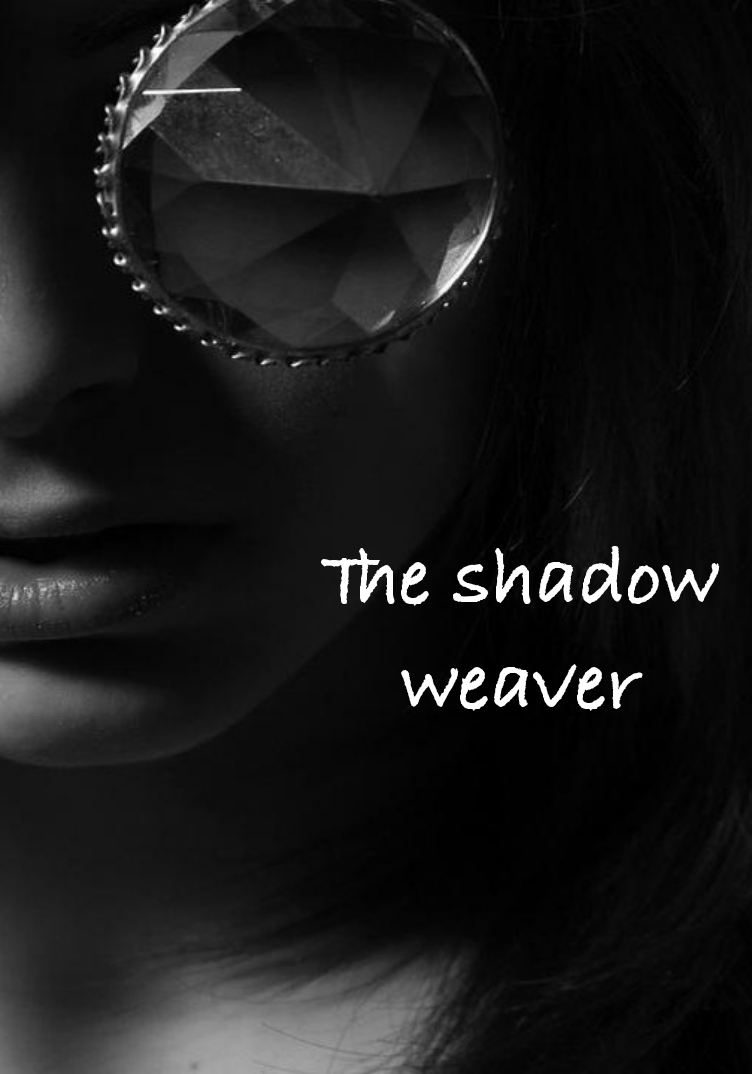
The shadow weaver
The shadow weaver

The city of Kael’thir was built on straight lines. Streets ran true, buildings rose plumb, and every citizen’s shadow fell exactly where the Ministry of Angles said it should. Deviations were defects. And defects were unstitched.
Eira was a Liner. Her job: patrol the plazas at dusk and measure shadows with a brass caliper. If a shadow bent, blurred, or lingered after its owner left, she called the Stitchers. They’d come with needles of cold light and sew reality back into alignment.
She never questioned it. Not until the night she found her own shadow weaving.
It happened at the Hour of Settling, when the sun touched the Spire and every shadow was supposed to lock due west. Hers didn’t. It pooled at her feet, then lifted one finger — her finger, but not — and pointed to the alley behind the clocktower.
*One choice.*
Follow protocol: sound the alarm, summon Stitchers, watch them erase the anomaly.
Or follow the shadow.
She stepped into the alley.
The world didn’t change. The alley did. Bricks curved. The air smelled like wet ink. And the walls were covered in shadows that moved without bodies — dancing, fighting, embracing. At the center stood a loom. Not wood or metal, but woven from absence, threaded with strands of dusk.
A woman sat at it. Her face was Eira’s, but older, eyes threadbare from seeing too much.
“You’re the Shadow Weaver,” Eira whispered.
“We all are,” the woman said. “We just forget. The Ministry calls it a defect when a shadow wants something its owner won’t admit. They stitch it flat. But every denied want is a thread. You collect enough, you can weave.”
The Weaver pulled a single strand from Eira’s shadow. It hummed. “This is your mother’s grief. You never let it cast. You keep your shadow trimmed.”
“Grief is a deviation,” Eira recited. “Rule 4, Code of Light.”
“Rules are just other people’s weaving.”
The loom shuddered. Outside, sirens. Stitchers. They’d detected the fracture.
*One movement.*
The Weaver held out a shuttle. “You can stitch this alley closed. Reality will heal clean. You’ll go back, caliper in hand, and never see me again. Or...” She slid the shuttle into Eira’s hand. It was cold and impossibly light. “You can pull one thread through. Just one. Make a change.”
Eira thought of the orphans in Sector 9, whose shadows were always too small because they’d been taught to take up less space. She thought of her own shadow, always measured, always apologetic.
She didn’t choose the orphans. She didn’t choose the city.
She chose herself.
She threw the shuttle.
*One fracture in reality.*
It wasn’t loud. It was a sound like a decision being made. The shuttle passed through the loom, caught one thread from Eira’s shadow — the one labeled _compliance_ — and snapped it.
The alley exhaled. Across Kael’thir, every measured shadow twitched. Just a millimeter. Just enough that a child in Sector 9 saw his shadow stretch past his toes for the first time and laughed. Just enough that a Stitcher’s caliper slipped, and he wondered why.
The Stitchers burst in. The Weaver was gone. The loom was just alley wall again. They found Eira standing alone, her shadow due west, perfectly correct.
They measured. They scanned. No defect.
But Eira felt it: a loose thread at the edge of her shadow, where it now moved half a heartbeat behind her. Not enough to be unstitched. Just enough to be hers.
She went back to work the next day. She measured shadows. But now, when she found one that bent toward a bakery, or lingered at a library door, or reached for another shadow’s hand, her caliper sometimes… missed.
One choice doesn’t rewrite the world.
One movement doesn’t break the loom.
But one fracture, if it’s in the right place, lets the light in.
And shadows, given light, learn to weave.