Library

 Profile
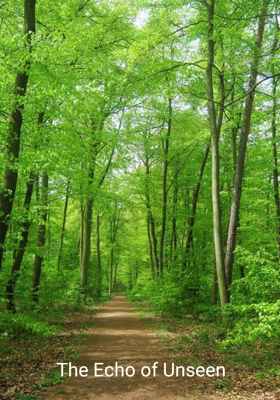
The Echo of Unseen
The Echo of Unseen

The classroom smelled of floor wax and expensive stationery. For most of the children in that elite school, the gates were an entrance to opportunity. For me, they were the bars of a cage.
I was the "broken" variable in a room full of polished results. While my parents had invested their hard-earned money to buy me a seat at the table, they couldn’t buy me a sense of belonging. The teachers didn't see a child struggling with a speech delay; they saw a failure to deliver. I was "below average" before I even knew what an average was. They expected a finished product, but I was a child still waiting for the blueprints to be explained.
The Survival Mode
At home, the air was just as heavy. My mother, living in a constant state of survival against an abusive father, had no emotional reservoir left for me. In those days, society viewed a man’s aggression as a "family matter" and a woman’s endurance as "duty."
Because my mother was drowning, I had to become her life jacket. At an age when I should have been playing, I was "parenting" my parent, absorbing her anxiety and reflecting it back as silence. My nervous system wasn't mine; it was a borrowed, frayed version of hers. To cope, I retreated into the one world that didn't demand I speak fluently: Art. On paper, my stutter didn't matter.
The Body Keeps the Score
As I grew, I realized that trauma isn't just a memory; it’s a physical weight. As the book title suggests, the body keeps the score. I ran for years in survival mode—fear, anger, and emotional chaos were my only constants. Even at 21, then 30, the "soft skills" others took for granted felt like a foreign language I had to learn syllable by syllable.
I watched movies like Taare Zameen Par and saw the world applaud the idea of compassion, yet in reality, kids with ADHD, dyslexia, or autism are still often met with "fix it" attitudes rather than "help me" support.
The Turning Point: Unlearning
The shift didn't happen overnight. It came from the realization that while I was a victim of my circumstances, I didn't have to be a victim of my future. I began to look at the stories of others—the eight women who started Lijjat Papad, the vulnerability of guests on Special Books by Special Kids, and the grit of Josh Talks.
I turned to wisdom that spanned centuries:
The Bhagavad Gita: Taught me to act without being obsessed with the fruit of my labor.
Buddhism: Taught me that while attachment is the source of pain, detachment is the path to peace.
Psychology: Helped me understand that my mother and father were operating with limited resources. They weren't "evil"; they were unhealed.
The Forest of Individuality
I stopped comparing my timeline to the "success metrics" of my peers. In a forest, we don't ask the weed why it isn't an oak tree. Both have a role in the flora and fauna. Society demands we all be doctors or engineers, but the universe only demands that we be ourselves.
I learned to talk to my inner child. I told that little kid who failed L.K.G. that it wasn’t an "attitude problem"—it was a need for help that no one knew how to give. I started practicing grounding therapy and breathing through the moments when the old "survival mode" tried to take the wheel.
The Present Cloud
Today, I understand that there is no "better half." We are born alone, and we die alone. The people we meet in between are connections, not crutches. I choose to forgive—not because what happened was right, but because carrying a grudge is like drinking poison and waiting for the other person to die.
Life is short. The past is a memory; the future is a mist. I live in the present, managing what I can control and letting the rest pass by like clouds in a wide, indifferent sky. I am no longer just surviving. I am, finally, beginning to live.