Library

 Profile
Navaratri
Navaratri

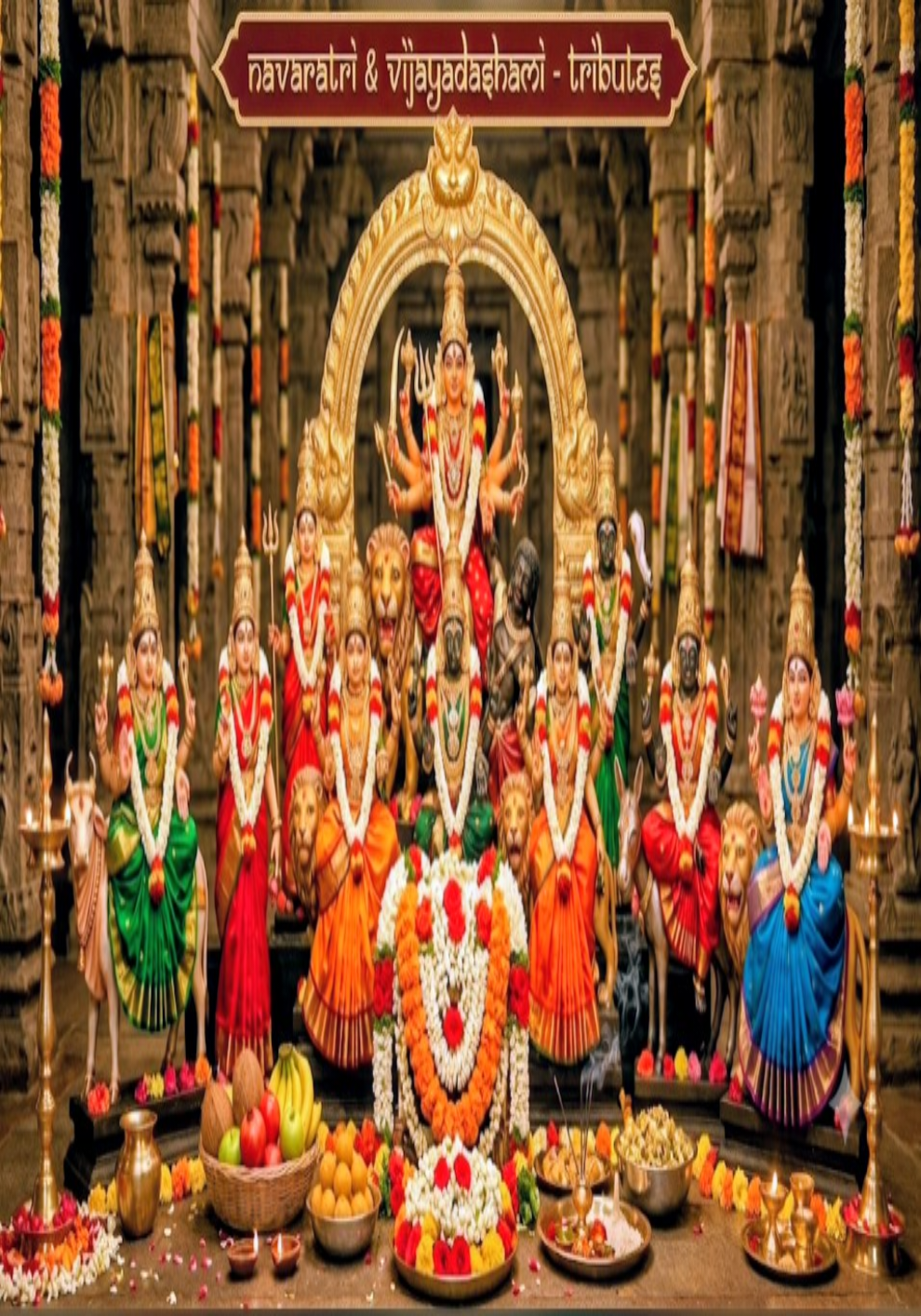
The spiritual philosophy, regional celebrations, sacred alankarams, and inner transformation of Navaratri. They say a warm soup is best enjoyed while it is still piping hot. Now that Navaratri has just concluded, before the warmth, devotion, and vibrant spirit of the festival fade away, I felt this was the most opportune moment to reflect and share my thoughts with you. Before I begin, a humble disclaimer: I am neither a scholar nor an authenticated authority on scriptures. However, I have been fortunate to grow up in a traditional, orthodox South Indian family, learning and absorbing these timeless traditions from my grandparents and parents over the years. What I share here are my own personal thoughts, reflections, and understanding of Navaratri in my own words. Navaratri is far more than a routine festival marked on the calendar. It is a nine-night spiritual journey, an inner yajna, and a profound celebration of Shakti—the Divine Feminine power that creates, sustains, and transforms the universe. At its heart, Navaratri is a powerful celebration of woman empowerment and feminism in its purest, highest spiritual form. It reminds us that the supreme cosmic force governing creation, strength, and wisdom is feminine. Across India, the Divine Mother is worshipped through countless names, forms, rituals, languages, and cultural expressions. Yet a central thread connects these diverse traditions: reverence for the supreme power of the Goddess and the aspiration to cultivate courage, compassion, prosperity, and wisdom in our lives. The beauty of Navaratri lies in its extraordinary ability to bring together mythology, spirituality, music, dance, food, family traditions, and community life. Devotion is not confined to temples; it enters our homes, relationships, artistic expressions, daily work, and the hospitality with which we welcome others. Derived from the Sanskrit words nava (nine) and ratri (night), Navaratri culminates in Vijayadashami, the tenth day associated with victory and auspicious new beginnings. The rich mythological tapestry of Navaratri is anchored in texts like the Devi Mahatmyam (also known as the Durga Saptashati or Chandi Path from the Markandeya Purana) and the Devi Bhagavata Purana. The battles described in the Devi Mahatmyam are symbolic maps of human psychology and self-mastery: While devotion is singular, India's cultural geography expresses Navaratri through vibrant local traditions: The nine classic forms of Goddess Durga worshipped during these nights hold deep devotional meanings: In South Indian temples and households, the Goddess is often worshipped through a succession of forms such as Bala Tripurasundari, Durga, Mahalakshmi, Annapoorani, Kamakshi, Meenakshi, Rajarajeshwari, Rajamatangi/Shyamala, and Saraswati. Each form conveys a unique theological and devotional understanding of Shakti. A widely followed South Indian devotional framework divides Navaratri into three distinct spiritual phases: The progression offers a beautiful spiritual interpretation: first, we clear obstacles; next, we cultivate harmony and well-being; finally, we pursue knowledge and wisdom. For seekers of deeper esoteric philosophy, Navaratri is intimately linked with Sri Vidya Upasana and the worship of Goddess Lalita Tripurasundari. Devotees enrich their spiritual practice during Navaratri through sacred recitation: In Tamil Nadu, Golu is one of the most distinctive expressions of Navaratri. Tiered steps display handcrafted dolls representing deities, puranic scenes, sages, village life, and modern themes. Beyond religious display, Golu is a celebration of artistic creativity, intergenerational storytelling, and hospitality. Guests who visit are offered Sundal (nutritious legume preparations) along with turmeric, kumkum, flowers, and vetthilai-paaku (betel leaves and areca nut). Through this simple tradition, hospitality becomes worship: welcoming a guest with warmth is welcoming the Divine Mother Herself. Navaratri is intimately connected with music, literature, education, and the arts: Navaratri is not merely an ancient ritual repeated once a year. It is a living, breathing experience. When we clean our homes, set up the Golu, light the brass lamps, adorn the Goddess, share sundal with neighbors, and chant her names, we turn everyday life into an act of devotion. The stories of victory over demons invite us to conquer our own arrogance, greed, and ego. Durga gives us courage, Lakshmi gives us generosity, and Saraswati gifts us wisdom. Most importantly, worshiping the Divine Mother must reflect in how we treat the living women around us—by honoring their dignity, supporting their education, valuing their choices, and respecting their leadership. May these nine sacred nights bring strength to our minds, peace to our homes, prosperity to our lives, dignity to every woman, wisdom to every child, and harmony to our world. Jai Mata Di. Amman Thunai.
Sarve Bhavantu Sukhinah — May all beings be happy, healthy, and free from suffering.THE SACRED TAPESTRY OF NAVARATRI
Nine Nights. Many Traditions. One Divine Mother.
A Note on Timing & Disclaimer
1. Navaratri: More Than a Festival
2. Mythology: Victory Over Arrogance and the Restoration of Order
3. The Inner Demons: A Journey Towards Self-Mastery
4. One Festival, Many Traditions: The Spiritual Geography of India
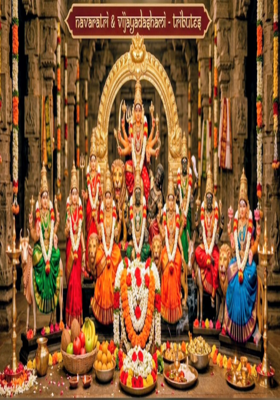
5. The Nine Forms of Navadurga and South Indian Amman Alankarams
Day Navadurga Tamil Meaning or Explanation Spiritual Significance 1 Shailaputri மலைமகள் (Daughter of the Mountain) Stability, courage, and a strong foundation 2 Brahmacharini தவக்கோல அம்பாள் (Practicer of Penance) Discipline, devotion, and perseverance 3 Chandraghanta பிறை அணிந்த தேவி (Crescent Moon Bearer) Courage, alertness, and protection 4 Kushmanda பிரபஞ்சத்தைப் படைக்கும் சக்தி (Cosmic Creator) Creation, vitality, and cosmic energy 5 Skandamata ஸ்கந்தனின் தாய் (Mother of Skanda/Murugan) Maternal love, protection, and nurturing 6 Katyayani வீர சக்தியின் வடிவு (Warrior Goddess) Determination and righteous action 7 Kalaratri இருளை அழிக்கும் தேவி (Destroyer of Darkness) Fearlessness and the destruction of negativity 8 Mahagauri தூய்மையும் ஒளியும் (Pure Light) Purity, renewal, and peace 9 Siddhidatri சித்திகளை அருள்பவர் (Bestower of Knowledge) Spiritual fulfilment and wisdom South Indian Daily Amman Alankarams
6. The Three Great Shaktis: Durga, Lakshmi, and Saraswati
7. Sri Vidya, Sri Yantra, and the Sacred Geometry of the Mother
8. Sacred Chanting and Parayanam During Navaratri
9. Golu: Where Spirituality Meets Art and Community
10. Music, Learning, and Ayudha Puja
Conclusion: Awakening the Living Shakti