Library

 Profile
Chapter 5: The Refuge of Total Acceptance and Inne
Chapter 5: The Refuge of Total Acceptance and Inne

Chapter 5: The Refuge of Total Acceptance and Inner Light.
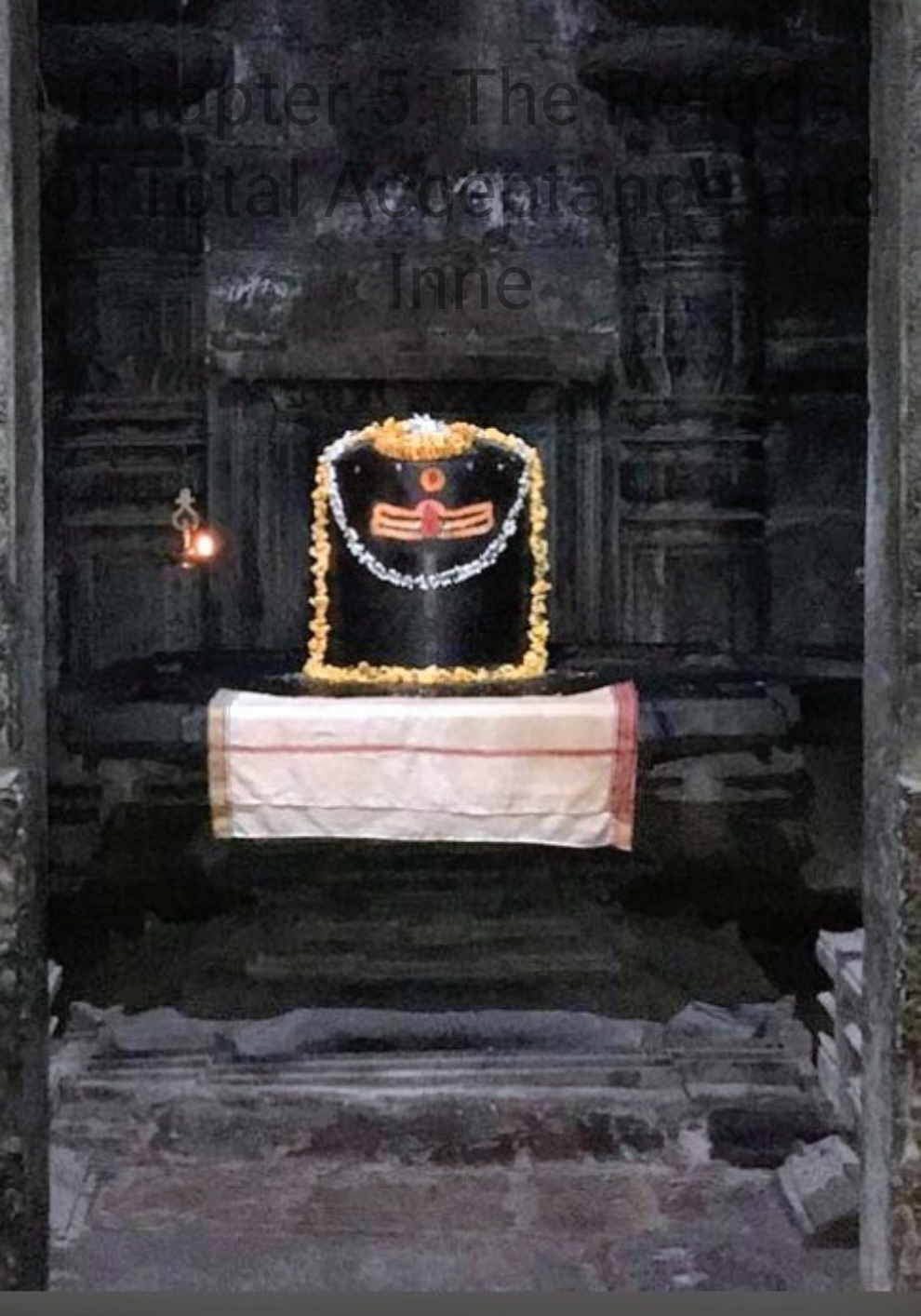
As you walk deeper into the mysteries of Shiva, you realize he defies every rigid category human beings attempt to build. He is the ultimate master of meditation, yet he descends to the earth to do the humblest work for his devotees. Unlike many deities who subject their followers to harsh endurance tests or grueling trials of patience, Shiva is Ashutosh the one who is instantly pleased. He does not play psychological mind games or test your endurance. The moment a heart calls out to him with pure intention, he is there.
Take the iconic story from Tamil tradition (Thiruvilaiyadal Puranam) where Shiva appears in Madurai to help an elderly, destitute woman named Vanthi (Vanthi Ammai). During the catastrophic flooding of the Vaigai River, King Arimarthana Pandiyan ordered every household to send a laborer to build up the riverbanks. Having no family or physical strength, the devoted old woman, who made a humble living selling pittu (steamed rice cakes), cried out to Lord Shiva in helplessness.
Shiva descended in the form of a young laborer, asking only for her crumbled, unsold pittu as his wage. After eating the pittu, he casually rested under a tree instead of working on the embankment. When the angry king struck the laborer with a golden cane for neglecting his duty, the strike was felt instantaneously on the back of every living creature across the cosmos, including the king himself. Before disappearing, Shiva effortlessly dumped his basket of sand, completing Vanthi's portion of the embankment and granting her liberation (Pittu-ku-Mann Sumandha Leelai). It demonstrates that when a devotee surrenders with total purity of heart, Shiva does not stand on ceremony or demand grand status ,he willingly becomes a humble servant to absorb their pain and elevate their soul.
This complete breaking down of human barriers is also seen in the life of Adi Shankara. While walking through the streets of Varanasi, Shankara encountered an outcast (Chandala) accompanied by four dogs and asked him to step aside. The man replied, Are you asking my body to move, or my immortal soul? In that moment, Shiva revealed himself the four dogs were the four Vedas, and the untouchable man was Shiva himself, shattering Shankara's lingering subtle biases about caste and social hierarchy. It proved that Shiva belongs to no caste, no creed, and no exclusive group. He is universal consciousness.
In modern conversations, people sometimes mock stories like Vishnu taking the form of Mohini to destroy Bhasmasura or the birth of Lord Ayyappa, using cynical lenses to caricature divine mechanics. But Sanatana Dharma views divinity beyond biological form or narrow human sexuality. The story of Bhasmasura shows how destructive unbridled ego becomes when granted power; Vishnu taking the Mohini form demonstrates that wisdom (Preservation) and dissolution (Transformation) act in complete, fluid harmony to protect the cosmic order.
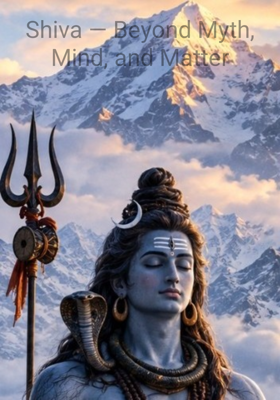
This dissolution is symbolized by Vibhuti (sacred ash or Bhasma). Applying Vibhuti to the forehead is a daily reminder of impermanence. It tells us that our titles, beauty, wealth, and physical bodies will all eventually be reduced to a handful of white ash. When we accept our impermanence, our fears, pride, and petty jealousies naturally fall away.
This brings us to one of the most misunderstood concepts: why Shiva is associated with Tamas (inertia, darkness, and dissolution) among the three qualities (Gunas).
In human language, darkness is often equated with evil, but in Vedic philosophy, Tamas represents the deep, silent rest before creation the unmanifest space. Just as seeds grow in the dark soil and restful sleep happens in darkness, the ancient prayer Tamaso Ma Jyotir Gamaya does not ask to destroy darkness; it asks to lead us from the darkness of ignorance into the light of ultimate truth. Shiva’s inertia is not laziness; it is the absolute stillness (Mouna) out of which all dynamic energy arises.
When raw pride meets Shiva, it transforms into pure devotion. When Ravana attempted to lift Mount Kailash out of sheer arrogance, Shiva pressed his toe down, trapping Ravana's hands. Recognizing his folly, Ravana pulled out his own nerves to string a harp and sang the magnificent Shiva Tandava Stotram. Shiva did not destroy him; hearing his sincere music and devotion, he released him and blessed him. In the same way, the ancient chant Sri Rudram from the Yajur Veda salutes Shiva not just in holy places, but in every aspect of nature in the trees, the rivers, the thieves, the saints, the quiet spaces, and the roaring storms.