Library

 Profile
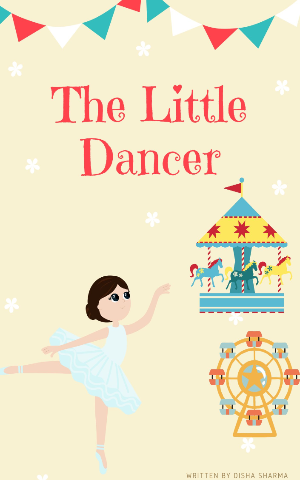
The little Dancer
The little Dancer

In a small circus that traveled from town to town, lived a little girl named Meera. She was only eight when she lost both her parents, who had been trapeze artists. The circus became her only family—its colours, music, and magic wrapping around her grief like a fragile blanket.
But life wasn’t easy. Some saw her as just another orphan, someone too young to belong on stage. The weight of sorrow often pressed down on her tiny shoulders, yet whenever the music played, her feet seemed to find their own rhythm.
Meera discovered her gift for dancing one rainy evening when the spotlight fell on her by mistake. Instead of freezing, she spun gracefully, her little body moving with a freedom that stunned the audience into silence. That night, the applause was louder than the thunder outside, and for the first time since her parents’ passing, she felt seen.
With every performance, Meera grew stronger. She danced not only for herself but for the memory of her parents, as if they watched from the stars. Her pirouettes were whispers of hope, her leaps a defiance of sorrow. Soon, people no longer called her the “orphan girl.” They called her The Little Dancer —the heart of the circus.
Though she had endured tragedy, Meera turned her pain into beauty. Each performance was a reminder that even in the face of loss, one could rise, shine, and bring joy to others. And so, she became not just a dancer, but a dream