Library

 Profile
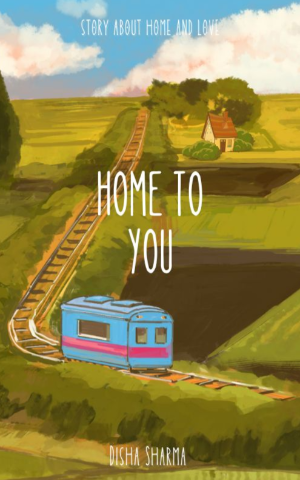
Home To You
Home To You

Rain laced the windows of the old train car as it pulled into the rural station. Lila pressed her forehead against the glass, watching the raindrops race each other down like the thoughts in her mind—rushing, colliding, looping back.
She hadn’t been home in eight years.
The train hissed, slowed, then sighed to a stop. The silence that followed felt louder than the wheels had. As she stepped onto the platform, the cold air wrapped around her like memory—sharp, familiar, and unwelcome.
Lila hadn’t meant to stay away this long. But the silence between her and her father had calcified into years. She’d left for the city angry, chasing something brighter, freer. She never found it—only bigger apartments filled with smaller connections.
A note had arrived last week. Short, barely a sentence: *“Your mother’s garden is blooming again. Thought you might want to see it.” Signed simply, “Dad.”
It wasn’t forgiveness. It wasn’t even warmth. But it was a crack in the wall. And that was enough.
The town hadn’t changed much. The old church leaned a little more. The bakery still smelled like cinnamon at sunrise. People glanced at her but didn’t stare. They recognized her and didn’t. That was fine.
The house stood at the top of the hill, the white paint peeled, the porch swing still broken on one side. She hesitated at the gate, fingers brushing the latch. The garden stretched out before her—wild, radiant, defiant. Sunflowers nodded under the weight of rain, marigolds burned amber, and roses coiled toward the sky like they’d never forgotten how to climb.
She stepped through the gate and strolled between the rows. Her mother had once told her the soil remembered the hands that touched it. Maybe that’s why the garden had survived, even thrived. It remembered love. Even when everything else cracked.
“You came.”
Lila turned. Her father stood in the doorway, arms crossed, the same old knit sweater clinging to his stubborn frame. His voice hadn’t changed—weathered, low, deliberate.
She searched for something clever to say. Nothing came.
“I didn’t know if the letter would work,” he said.
“It wasn’t a letter,” she replied. “It was a breadcrumb.”
His lip twitched. Not a smile, but something adjacent. “Well. I figured if the garden was enough to bring your mother home, maybe it’d work on you too.”
Lila swallowed. Her mother had passed three springs ago.
She stepped up the porch steps, shoes squishing against the wet wood. “Why now?”
He looked away. “Because the house felt full of ghosts. And none of them talked back.”
They stood there, silent.
Then Lila said softly, “I can stay a few days. Maybe fix that swing.”
He nodded. “You know where the tools are.”
The door creaked open, and they stepped inside.