Library

 Profile
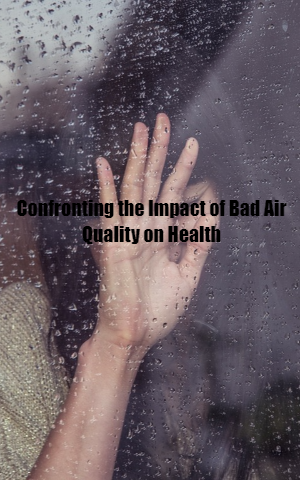
Confronting the Impact of Bad Air Quality on Health
Confronting the Impact of Bad Air Quality on Health

In the heart of the bustling city, where skyscrapers kissed the sky and streets hummed with the rhythm of urban life, I found myself caught in a web of invisible danger—a threat that seeped into my life unnoticed until it took its toll.
My days began and ended amidst the city's hustle, navigating through crowded streets and towering buildings that painted the skyline. It was a life filled with energy and excitement, yet beneath the surface, an insidious foe lurked—bad air quality, an adversary that silently compromised my well-being.
At first, the signs were subtle—a persistent cough that refused to fade, a lingering fatigue that clung to me like a shadow. I brushed them off as the stresses of a busy life, attributing my symptoms to late nights and long hours at work. Little did I know, the very air I breathed held the key to my deteriorating health.
It wasn't until a routine medical check-up revealed the truth. The doctor's words hung heavy in the air, punctuated by the stark reality of test results that painted a grim picture—elevated levels of pollutants in my system, markers of prolonged exposure to airborne toxins that had quietly infiltrated my body.
Bad air quality had become a silent assailant, its effects insidious yet profound. The pollutants, ranging from fine particulate matter to volatile organic compounds, had taken residence in my lungs, impairing their function and sapping my vitality. Each breath I took, once a simple act of sustenance, now carried with it a burden—a reminder of the compromised environment I navigated daily.
As I delved deeper into understanding the sources of indoor and outdoor pollutants, I realized the breadth of their impact. From industrial emissions to vehicular exhaust, from household cleaners to construction dust, each contributed to the cocktail of toxins that saturated the air around me. Even within the confines of my home, where I sought refuge from the city's chaos, pollutants found their way, infiltrating through vents and settling into corners.
Armed with this knowledge, I took action. I equipped myself with air quality monitors like HibouAir, which provided real-time data on pollutant levels, empowering me to make informed decisions about my surroundings. I adopted habits to minimize exposure—ventilating rooms, using air purifiers, and choosing cleaner transportation options whenever possible.
Slowly, as I implemented these changes, I began to notice a shift. The persistent cough eased, replaced by clearer breaths that filled my lungs with newfound clarity. The fatigue lifted, replaced by a renewed sense of energy that had eluded me for so long. With each passing day, my health became a testament to the resilience of the human body and the power of awareness in combating environmental challenges.
Bad air quality had once threatened to derail my well-being, but through understanding and action, I reclaimed my health. It was a journey marked by discovery and determination, a reminder that amidst the urban bustle and the challenges we face, our health remains our most precious asset—a gift worthy of protection from the silent threats that surround us.